

Here at Met Radio, we’re closing out 2025 with a new round of year-end favourites! To cap off the year, our volunteers and staff are sharing their personal top-ten lists, highlighting the music, media, and gems that defined the past twelve months. New lists to explore and enjoy will be dropping on the Met Radio website every Monday, Wednesday, and Friday this December!
Hello! My name is Maggie Mars and I am a co-op student from Earl Haig Secondary School! I sometimes host for Met30 and create content for the station. For my end of the year top ten list, I chose to cover ten different newly discovered species. I chose this topic because I find these species to be fascinating, and I wanted to bring them some more attention! The list is in order of how interesting I personally found each species to be, with ten being the least interesting and one
being the most. Without further ado, let’s delve into ten newly discovered species!
10. Octocoral
Our first fascinating creature is a type of coral, specifically, an octocoral. Octocorals (Subclass Octocorallia) are a diverse class of invertebrates commonly referred to as “soft corals”. The “octo” in their name is in reference to the eight feathery tentacles that each of their polyps possess. This feature is part of what differentiates them from their cousins, the hard corals, who only have six tentacles per polyp. They use these tentacles to capture food floating in the ocean currents. The specific species of octocoral that was recently discovered is currently unnamed and was discovered in the Maldives during a deep-sea expedition. I chose this species because it is highly unique, being one of only five members in its genus, according to the Ocean Census.
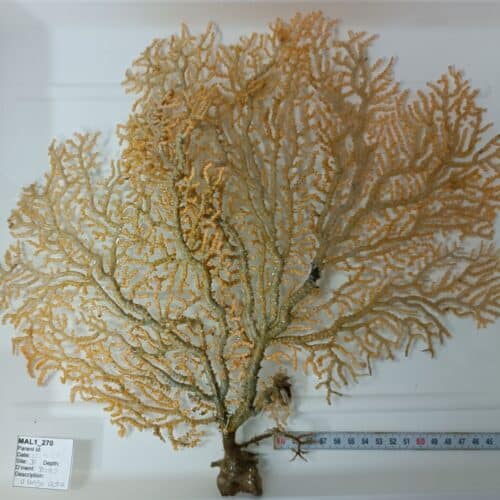
Photo credit: The Nippon Foundation-Nekton Ocean Census / Asako Matsumoto, Shaaan © 2025
9. Gibellula Attenboroughii
At number nine, we have the gibellula attenboroughii, a species of fungus that turns spiders into zombies! The fungus was named after David Attenborough, the famous British naturalist. It was discovered in Ireland in 2021 during the filming of a BBC documentary, and was later recognized as an official species in 2025. The fungus spreads spores that attach to cave spiders. The spores then sink into the spider and devours its internal organs. Very spooky! Because of its high spook factor, I have decided to add it to this list!
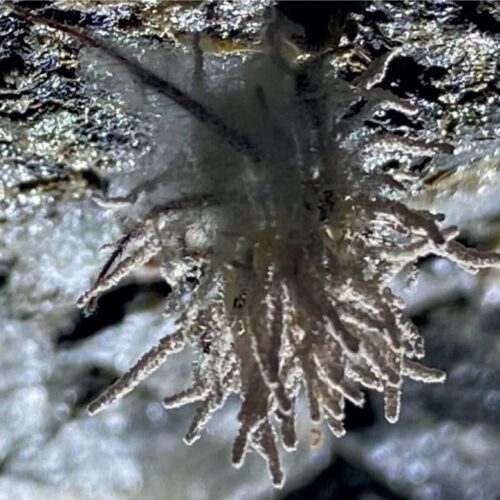
Photo credit: Fungal Systematics and Evolution, 2025
8. Wooly Devil
In the number nine spot, we have the wooly devil, a unique species of plant! The wooly devil was discovered at the Big Bend National Park in Texas in 2024, and was officially recognized as a new species in February of 2025, according to the official U.S National Park Service website. As its name suggests, the wooly devil is characterized by its unusually fuzzy leaves, resembling a needle felt art project. I picked this species for my list because of its distinct, adorable
appearance! It’s so cute and I would love to have one in a little pot in my house!
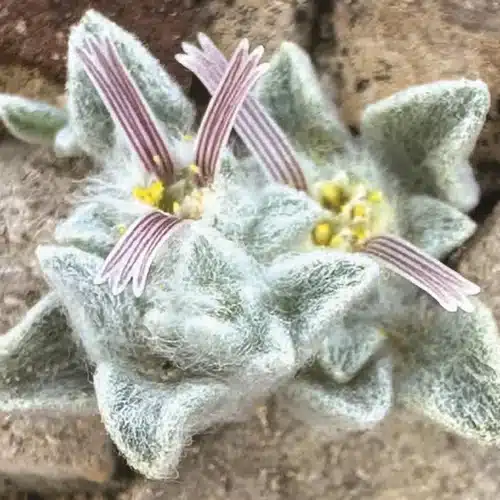
Photo credit: NPS / D. Manley
7. Squat Lobster
Coming in at number seven, we have a new species of squat lobster! This tiny crustacean was found crawling around on the Salas and Gomez Ridge, a chain of underwater volcanoes in the Southeastern Pacific Ocean. It was discovered at a depth of 407 meters during an expedition, and is the first of its genus to be discovered in this region of the Pacific, according to the Ocean Census. Due to the unprecedented nature of its discovery, I had to mention it on this list!
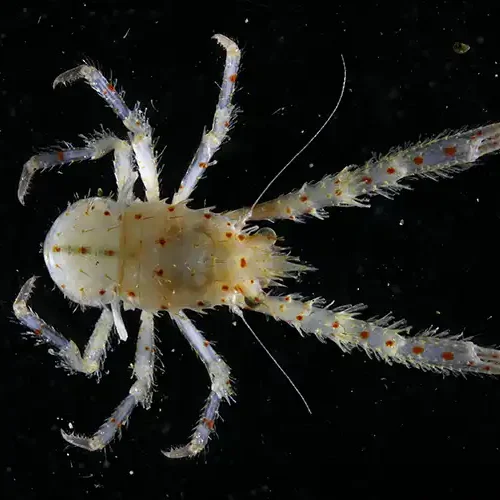
Photo credit: The Nippon Foundation-Nekton Ocean Census/Gallardo © 2025.
6. Turridrupa Magnifica
Our sixth newly discovered creature is a type of venomous sea snail known as the turridrupa magnifica. These snails were discovered living 600-1,600 meters under the ocean off the coast of New Caledonia and Vanuatu. They use venomous harpoon-like appendages to stab and kill their food. The venom these deadly gastropods produce has potential to be used for the development of pain relief medications and even cancer treatment! The amazing implications of this species’s venom for medical advancement earns it a spot on the list.
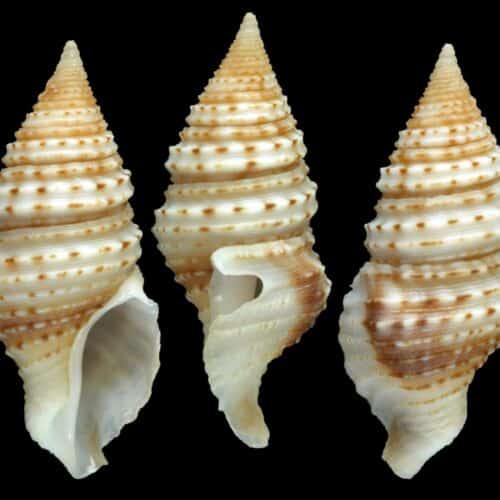
Photo credit: The Nippon Foundation-Nekton Ocean Census / Peter Stahlschmidt © 2025
5. Pygmy Pipehorse
In fifth place is the tiny pygmy pipehorse! The pygmy pipehorse is a close relative of the seahorse, and was discovered near the coast of South Africa. It is one of two species in the genus Cylix, and is the first confirmed Cylix member to be discovered living in the continent of Africa. I chose this species for my list due to its unique discovery and size.
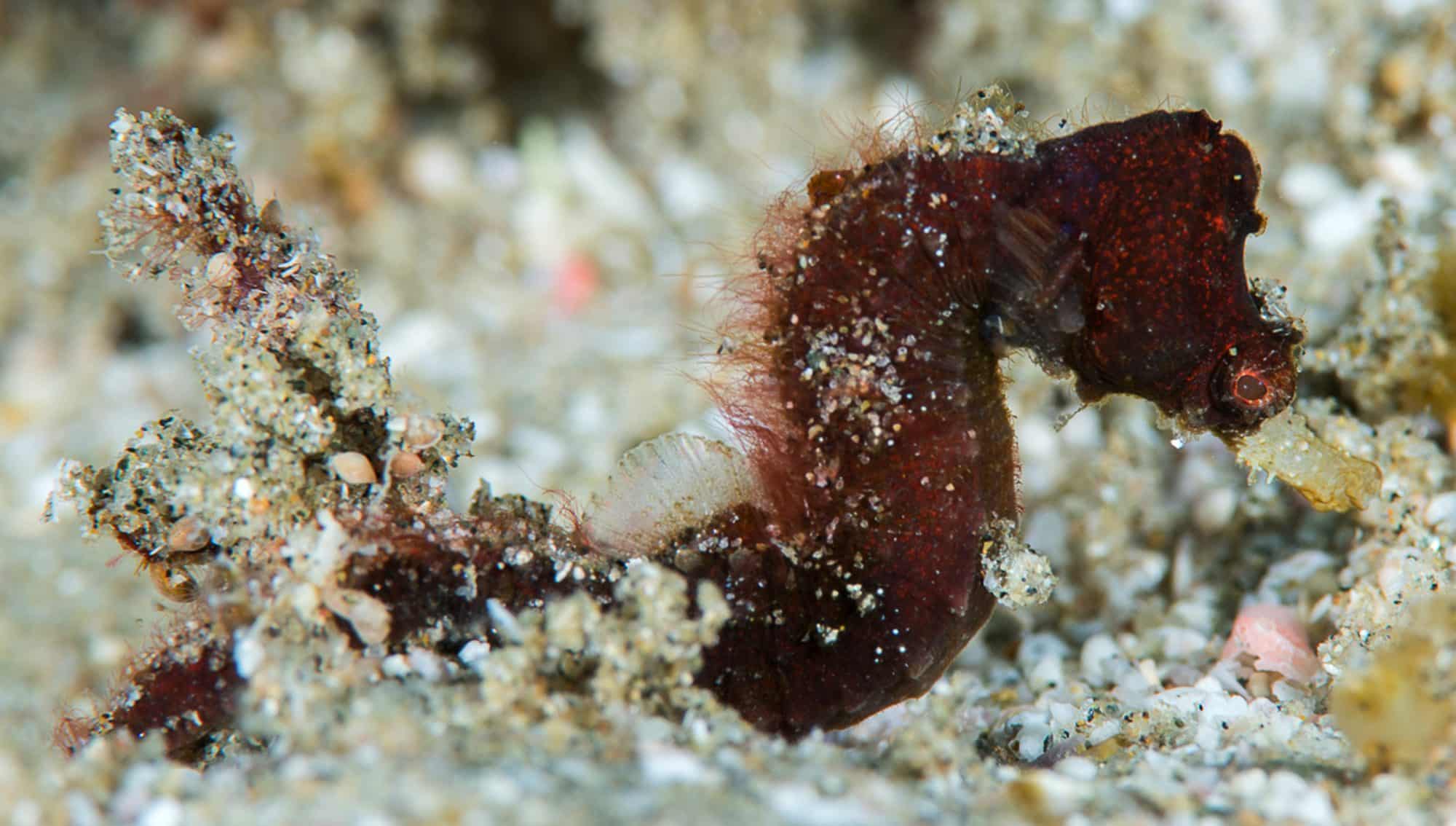
Photo credit: The Nippon Foundation-Nekton Ocean Census / Richard Smith © 2025
4. Blob-headed Fish
Coming in at number four, we have the bizarre blob-headed fish! This fish was discovered on a research expedition in Peru, where 26 other species were also discovered. The blob-headed fish is characterized by the distinctive gelatinous mound that rests atop its head, which is believed to house specialized sensory organs that aid in its navigation of the murky Amazonian tributaries, according to Animalko.com. Because of its incredibly strange and iconic look, the blob-headed fish belongs on this list!
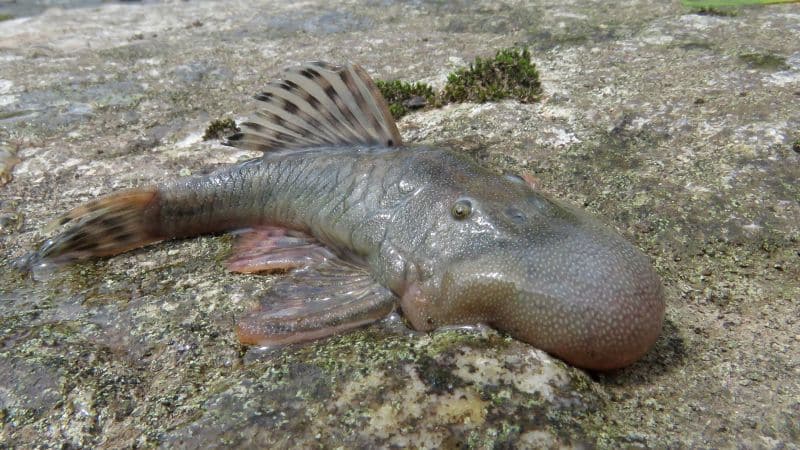
Photo credit: Robinson Olivera/Conservation International
3. Incanomys Mayopuma
The number third spot belongs to the incanomys mayopuma, an elusive species of semi-aquatic rodents! The rodent was discovered in the ancient ruins of Machu Picchu, on the same expedition that led to the discovery of the blob-headed fish. The incanomys mayopuma, also known as the Incan water mouse, possesses webbed feet and a long tail for steering in the water. It is also missing visible ears, making it more streamlined for swimming. Its name roughly translates to “water puma”, in reference to its aquatic capabilities. I chose the Incan water mouse for this list because there are very few semi-aquatic rodent species, making its discovery very unique and significant to science!
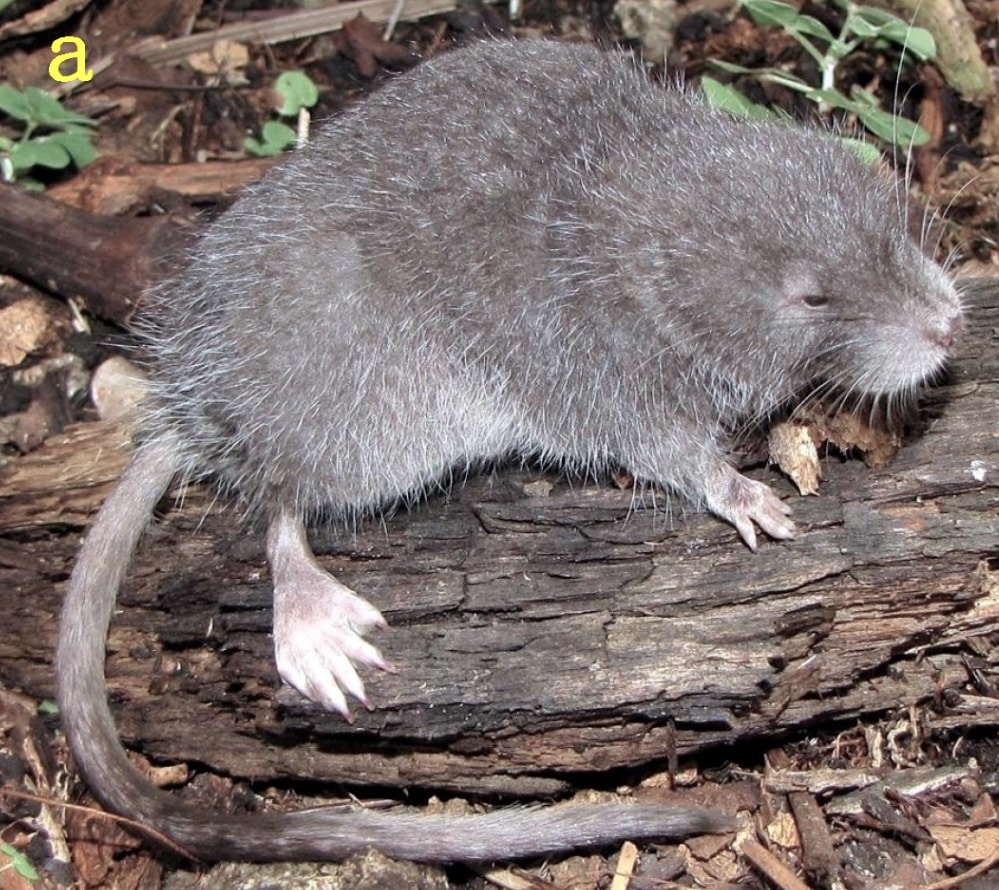
Photo credit: Zeballos, H., Pari, A., Medina, C. E., Pino, K., Arias, S., Arce, A. L., & Gonzales,
F. N. (2025)
2. Marmosa Chachapoya
Yet another Peruvian species, our second creature is the marmosa chachapoya. The marmosa chachapoya is a species of mouse opposum, and was discovered at an altitude of 2,660 meters in the Andes Mountains. This is significant because the marmosa’s relatives have only been known to live at altitudes as high as 1,580 meters, according to Earth.com. This changes everything scientists knew about the ranges of these marsupials, making the marmosa chachapoya a compelling addition to this list.
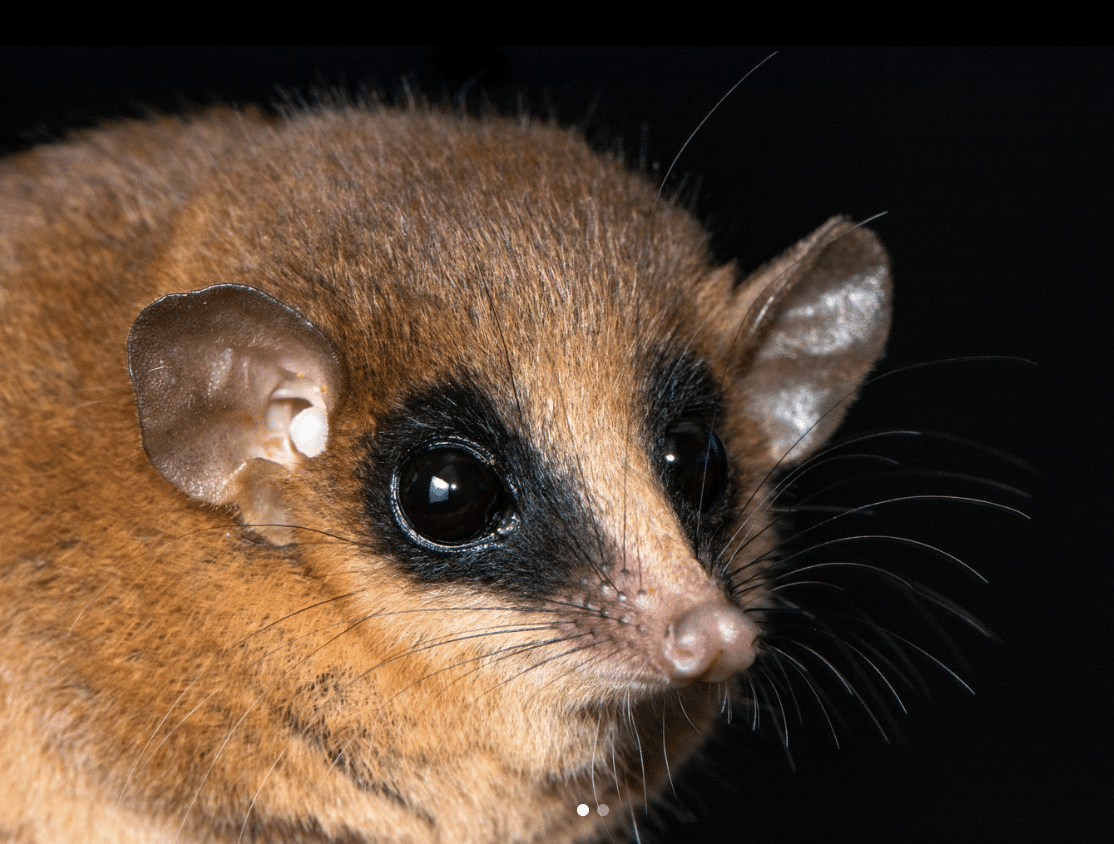
Photo credit: Pedro Peloso, 2025
1. Nectophrynoides Saliensis, Nectophrynoides Uhehe and Nectophrynoides Luhomeroensis
Our number one animal is actually three! The Nectophrynoides Saliensis, Nectophrynoides Uhehe and Nectophrynoides Luhomeroensis are all species of African toads that give birth to live young. These toads were discovered in the Eastern Arc Mountains of Tanzania, and were originally classified as one species. However, after a series of advanced genetic testing, it was officially confirmed that the toads were all actually different yet similar species. The reproduction strategies of these toads are highly unusual because it is so rare for amphibians to reproduce this way. According to the Natural History Museum, less than 1% of toads and frogs give live birth. Because of how rare and unusual these toads are, I have decided to rank them at number one on the list!
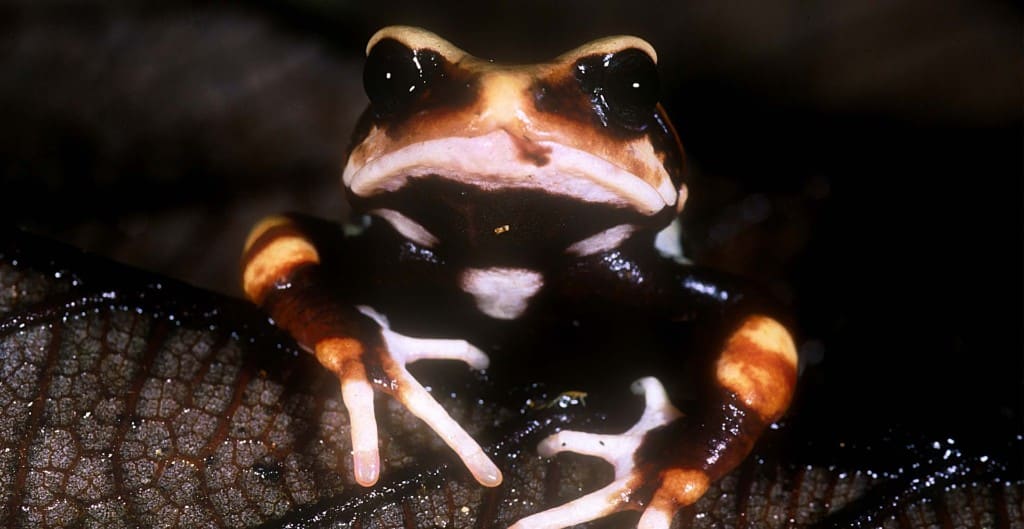
Photo credit: Michele Menegon, 2025