
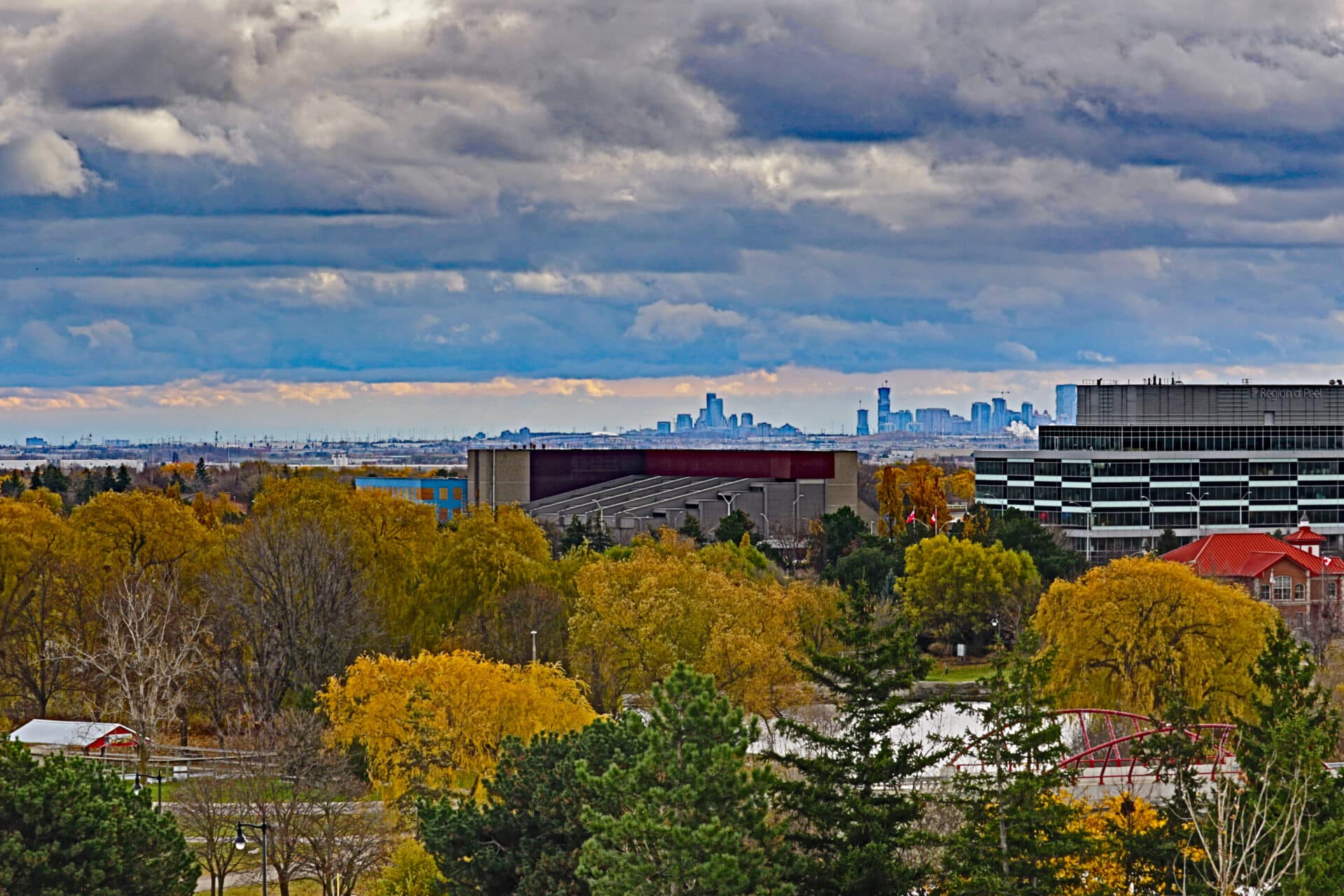

Photos and text by Sam Wong
On December 2, 2024, a wonderful announcement was made by the organization PaRx. They described a collaboration with Conservation Halton to improve access to their local parks. PaRx is an initiative of the BC Parks Foundation and is currently led by Vancouver Family Physician, Dr. Melissa Lem. The PaRx program has grown to include over 15,000 prescribers, who live and work in all of Canada’s provinces and territories. The organization has a mandate to hand out “Nature Prescriptions” to patients and clients advising them to spend time outdoors with nature. They have accumulated a wealth of scientific evidence (and lived experience) that spending at least two hours in nature weekly has significant benefits to one’s health and well-being.
This announcement resonated with me: I had noticed that the City of Brampton, which celebrated its 50th anniversary this year, has already been doing this with some excellent urban planning. For Canada’s ninth-largest city, with a growing population of more than 650,000, mapping out protected green space could not have been easy. But they did it, and they did it very successfully. The new TMU Medical School, along with its associated teaching hospitals at the William Osler Health System, are already each conveniently paired with a park. It was with great planning and foresight that healing can occur now in tandem. Join me on a brief tour of the TMU Medical School Brampton teaching sites and their natural partners.
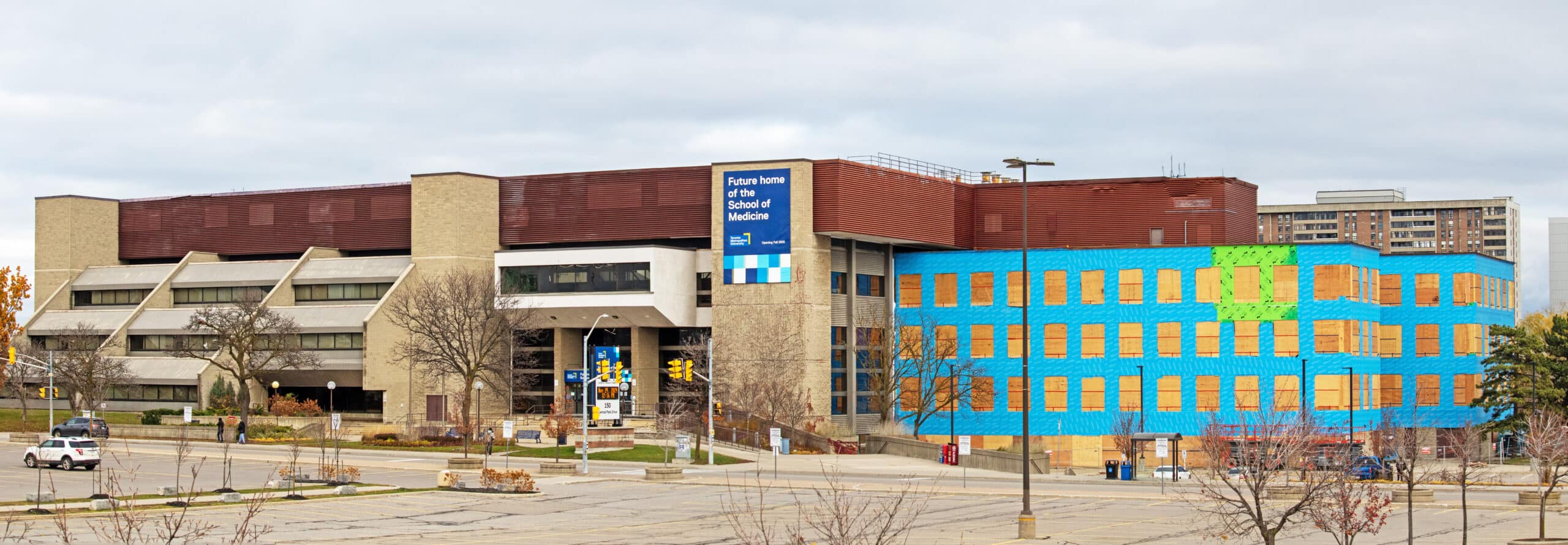
The TMU Medical School main building is being renovated in preparation for its inaugural class that will start in September 2025. The old concrete administrative building is undergoing a metamorphosis, transforming itself into a state-of-the-art centre for learning the science and art of healing and health. It is within sight of the shopping mall, the Go Bus station, and most importantly Chinguacousy Park.
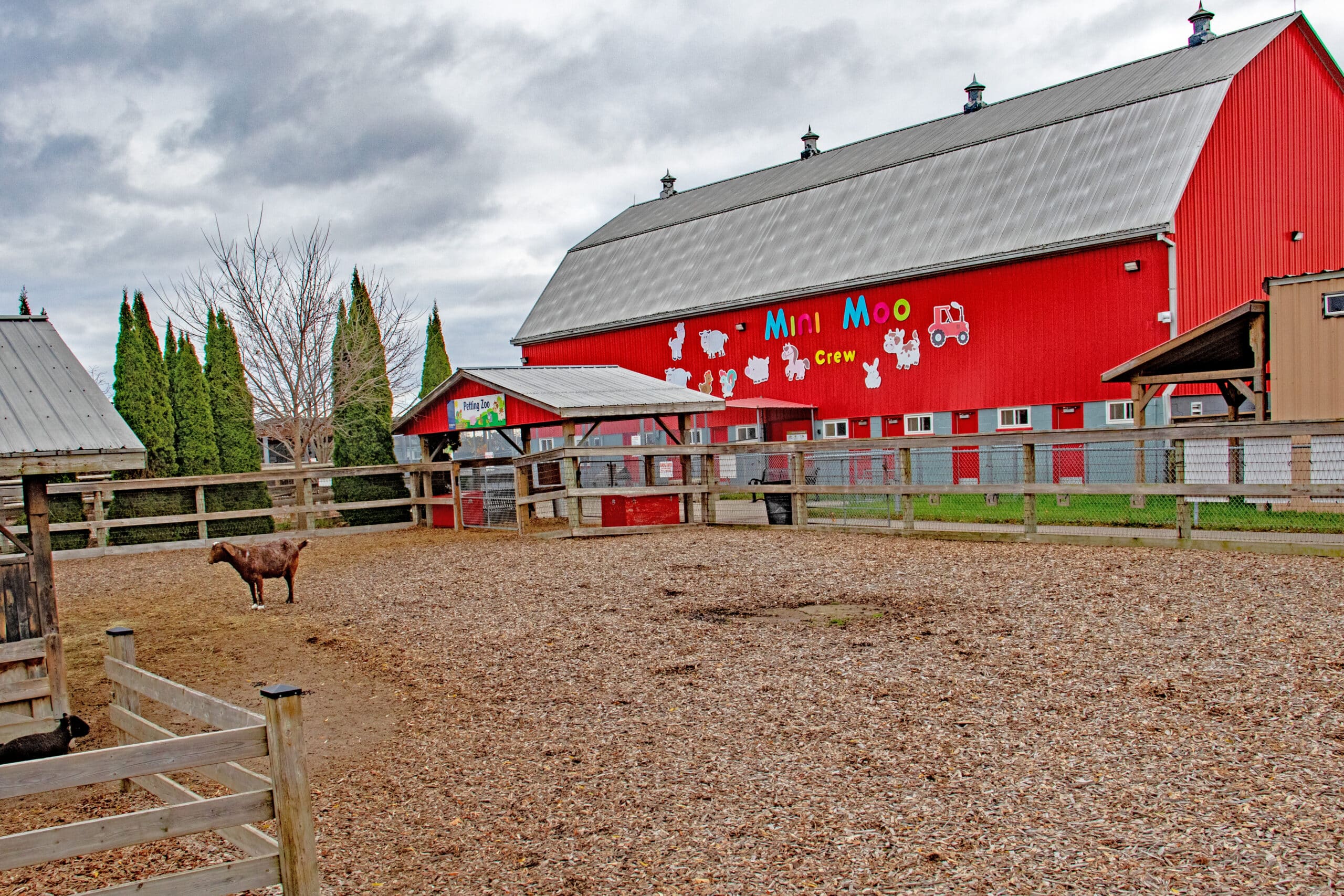
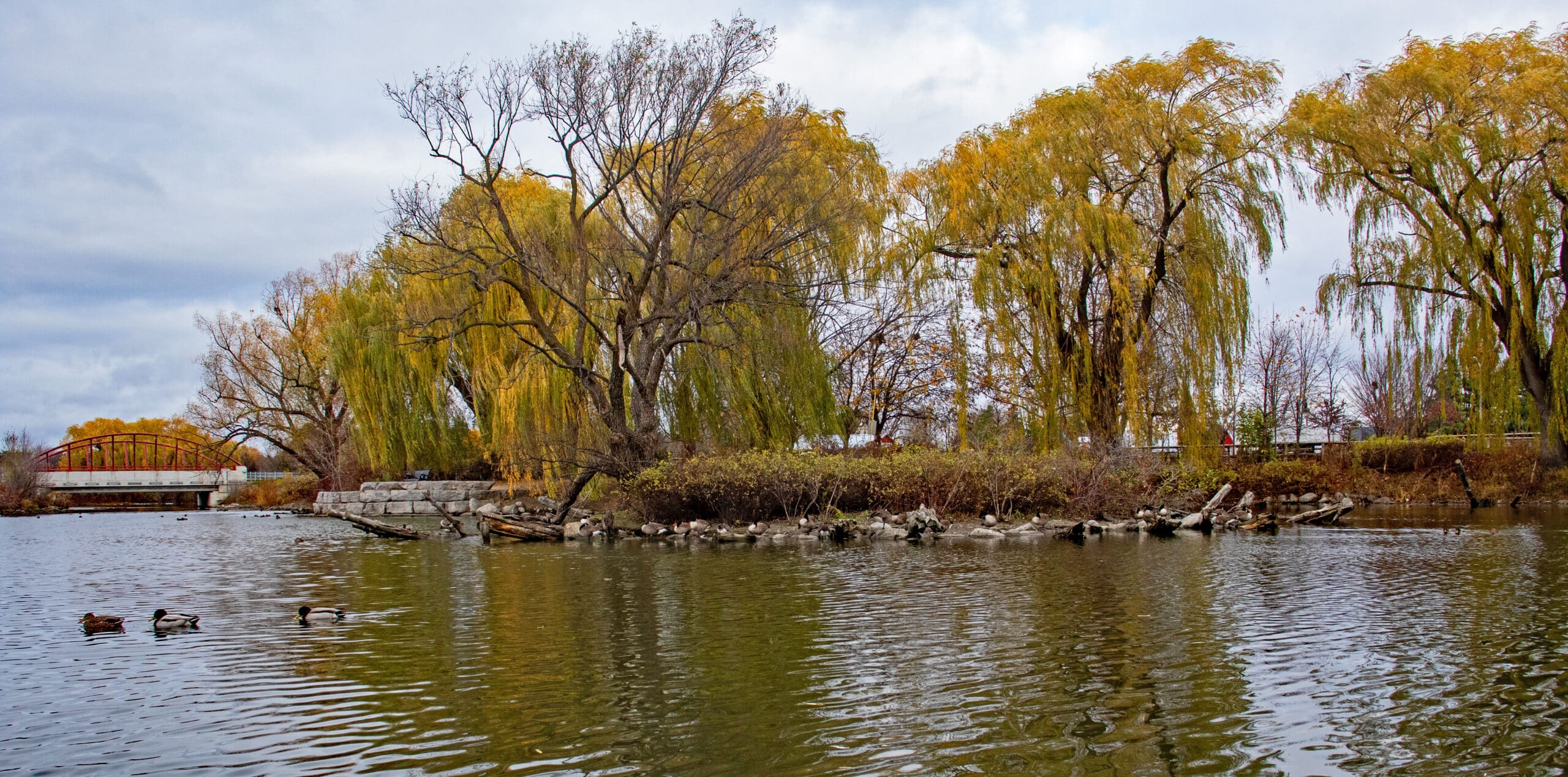
Chinguacousy Park is the largest park in Brampton and has something for everyone. There is the old ski hill for winter sports, an outdoor skating recreational trail, an indoor curling rink, a splash pad for summer cool-downs, a small greenhouse filled with tropical plants, and a very nice petting zoo with an associated pony ride for young children. The former ski chalet, located at the bottom of a man-made hill named, Mount Chinguacousy, was reinvented to now become a library branch for the Brampton Public Library system.
Medical students at TMU will not only be attending lectures at the main school building, they will also be involved in clinical duties at the William Osler Health System. The Osler System stretches across Peel Region and includes: the Brampton Civic Hospital site, the Peel Memorial site, and the Etobicoke General Hospital site.
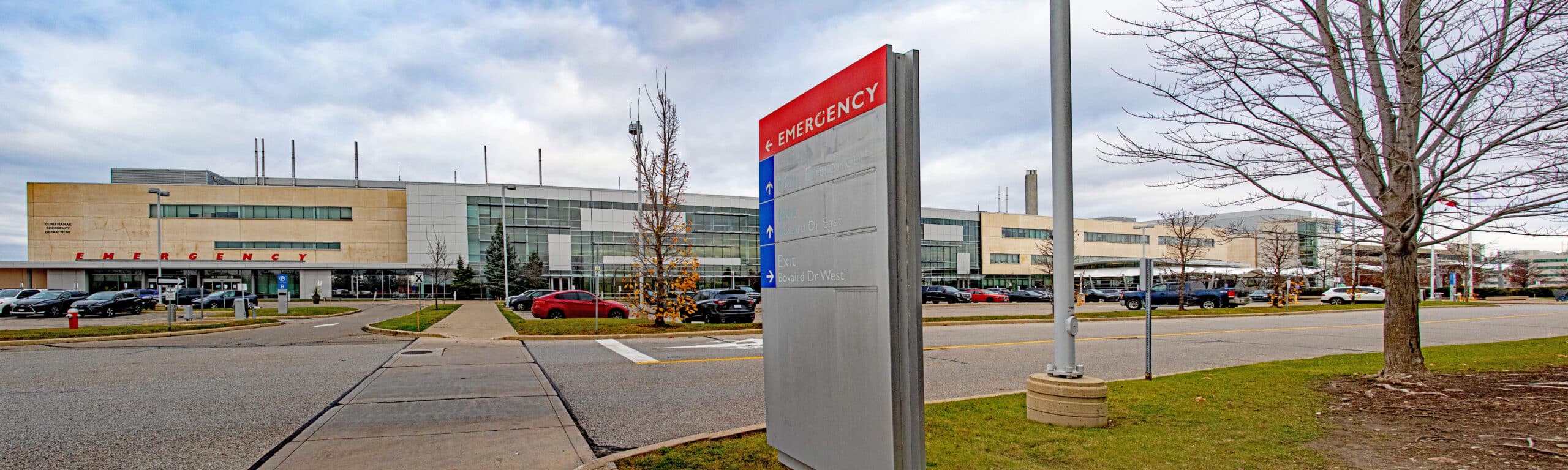
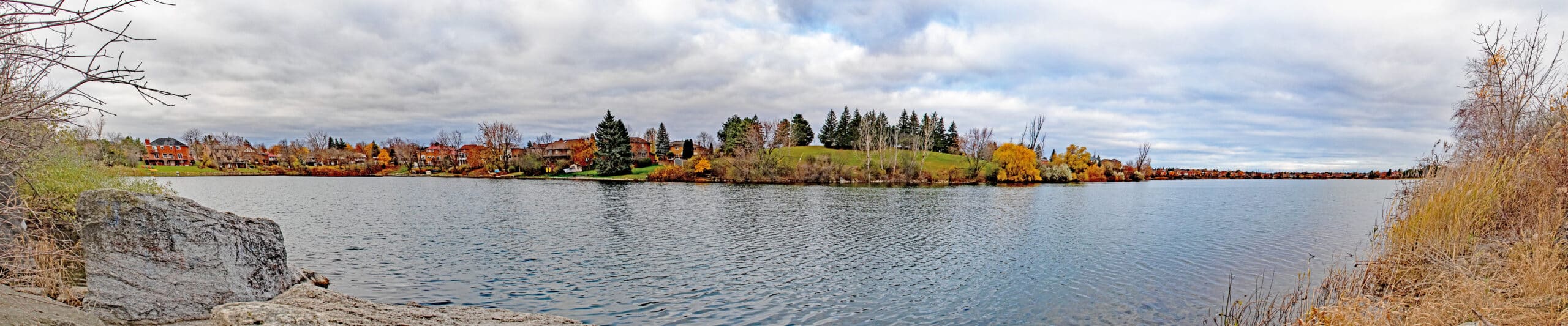
The modern Brampton Civic Hospital opened in 2007 and is located across the street from Professor Lake. Walking the 3 km trail that circles Professor Lake, the views are simultaneously calming and inspiring. If you have your own kayak, canoe, or paddle board you can sign up for a day permit (a small fee applies) and enjoy the spring-fed lake. (Watercraft can also be rented at the recreation centre in 30-minute time slots).
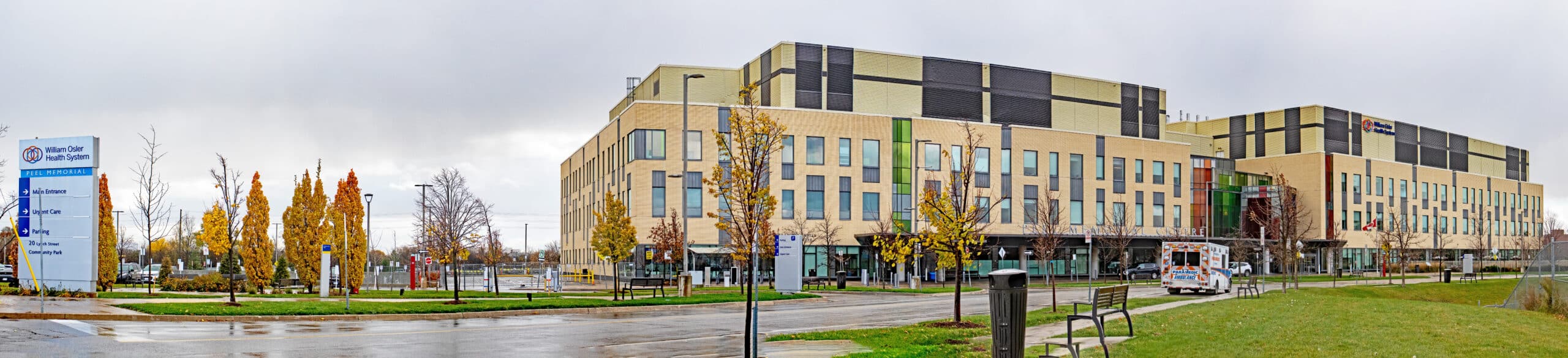
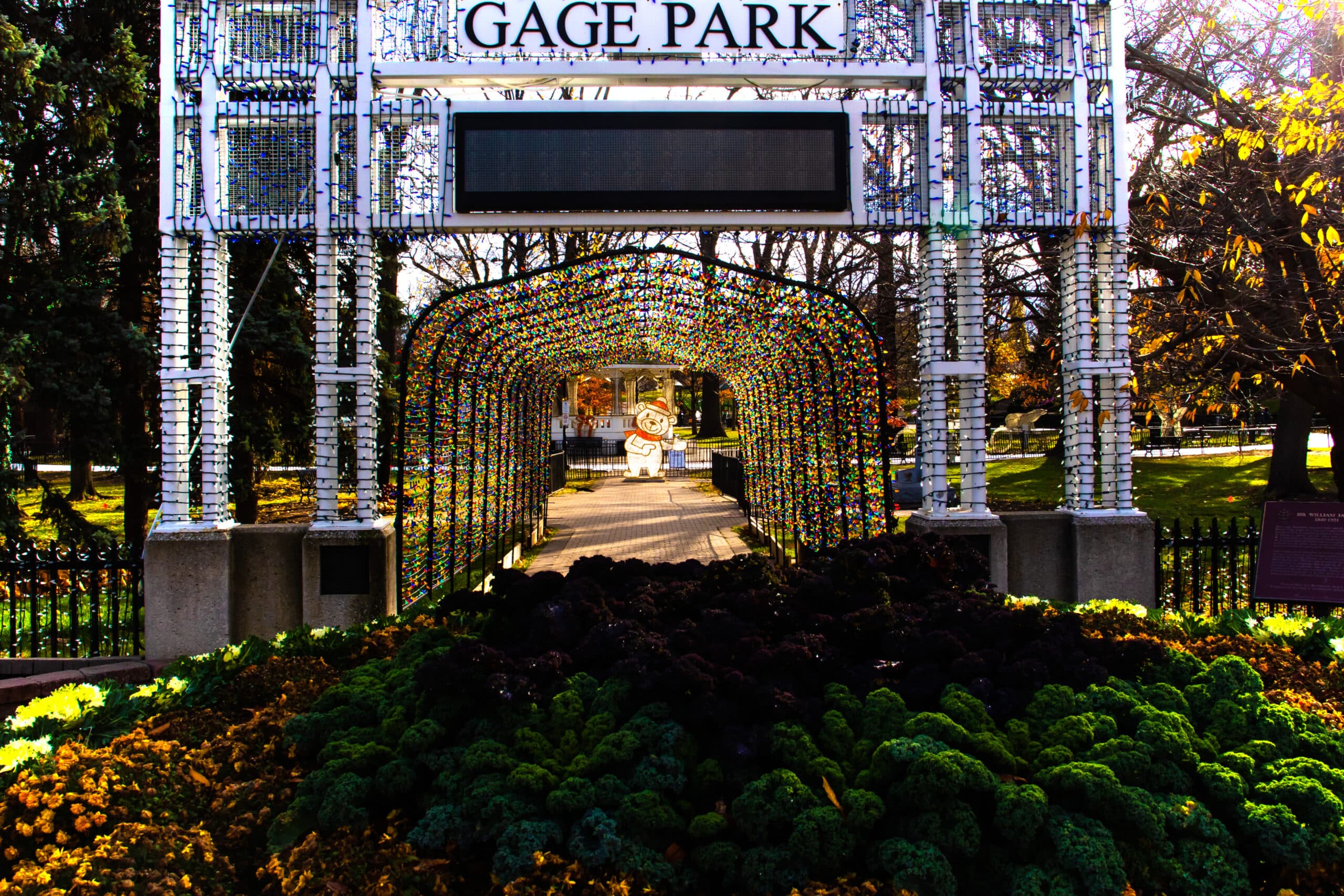
The Peel Memorial Centre is located just down the street from one of the prettiest and oldest parks in Brampton. Gage Park has been decorated with lights to guide winter skaters along its ice skating path. All the old trees seem to positively glow with pride. What a special place to connect with nature!
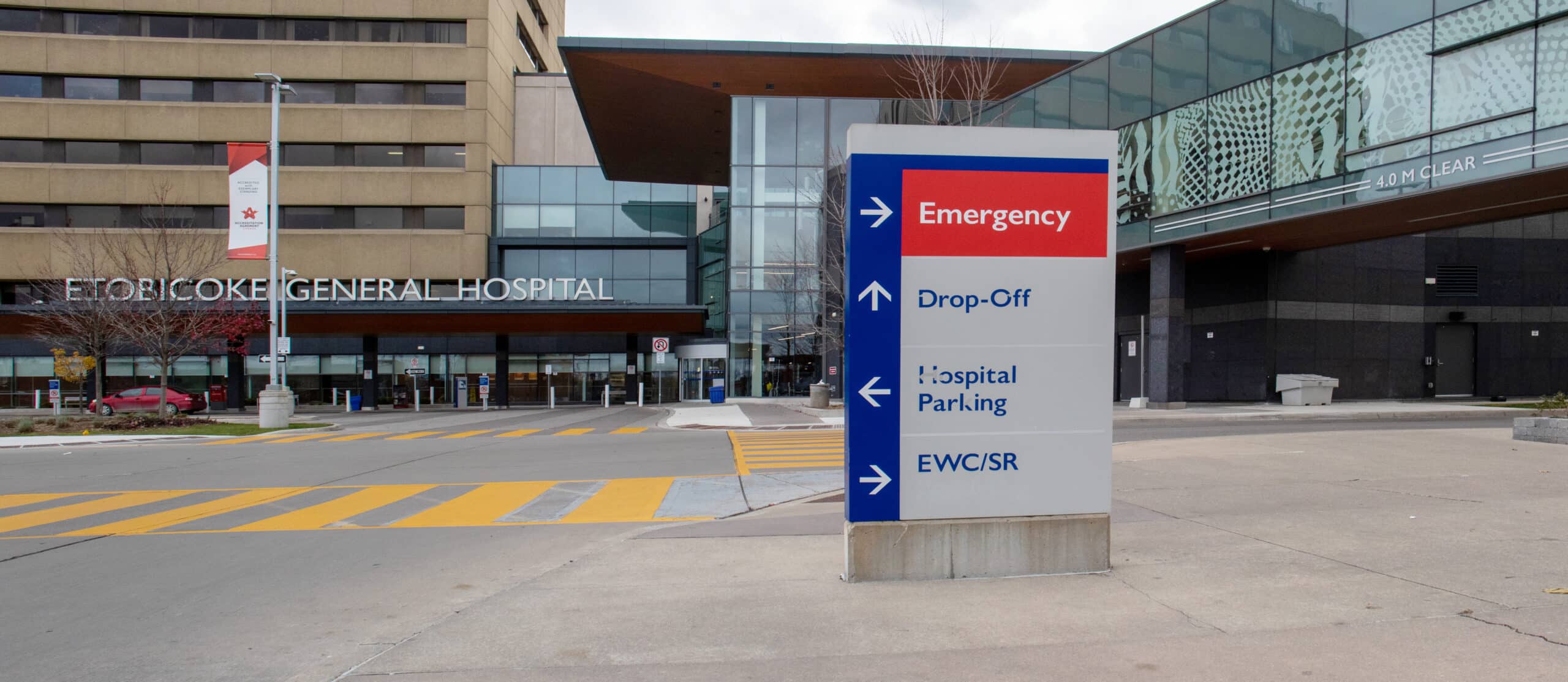
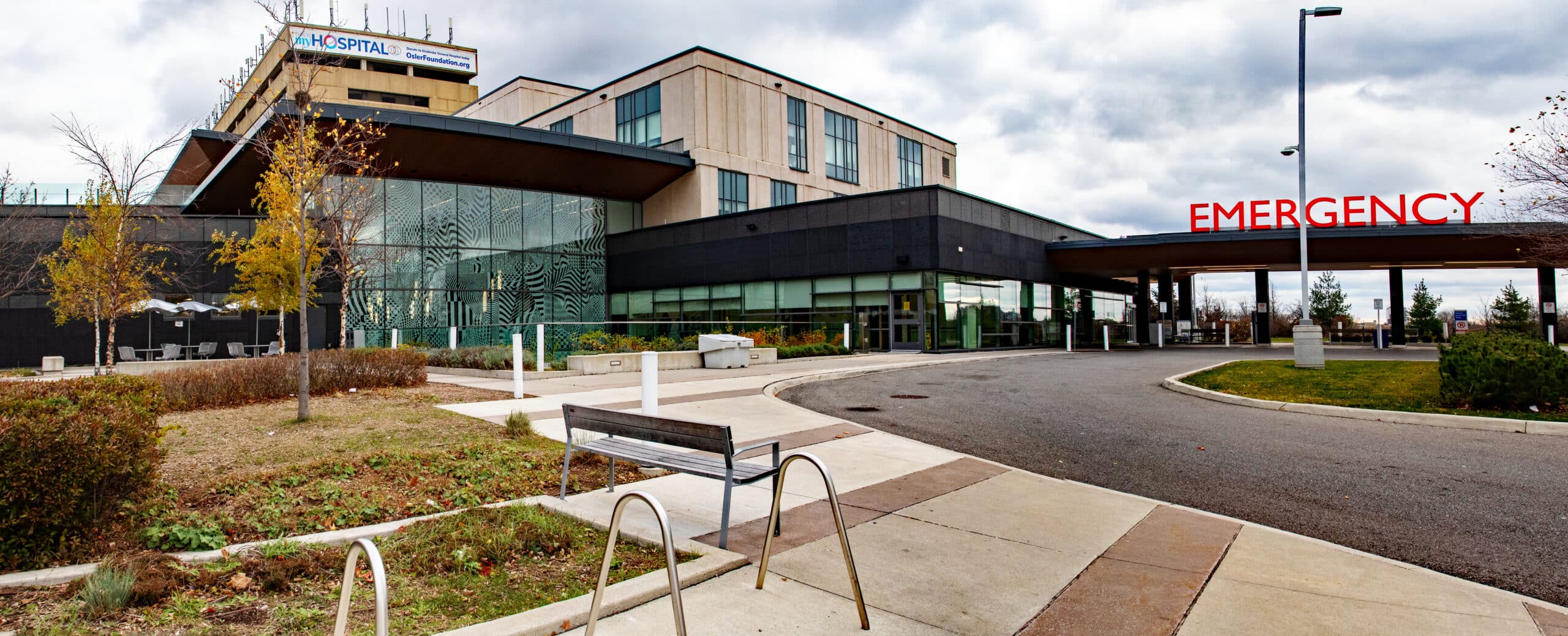
The Etobicoke General Hospital can be seen while walking the paths of the Humber Arboretum. The Arboretum covers nearly 250 acres and is continuous with the West Humber recreation trail. A true gem of park space, one can find a wide spectrum of trees, flora, and fauna. Located inside the park, The Centre for Urban Ecology (a Platinum-certified EcoCentre) has an educational mission. For example, there are beehives in the Forest Apiary which provide a sustainable honey harvest each summer.
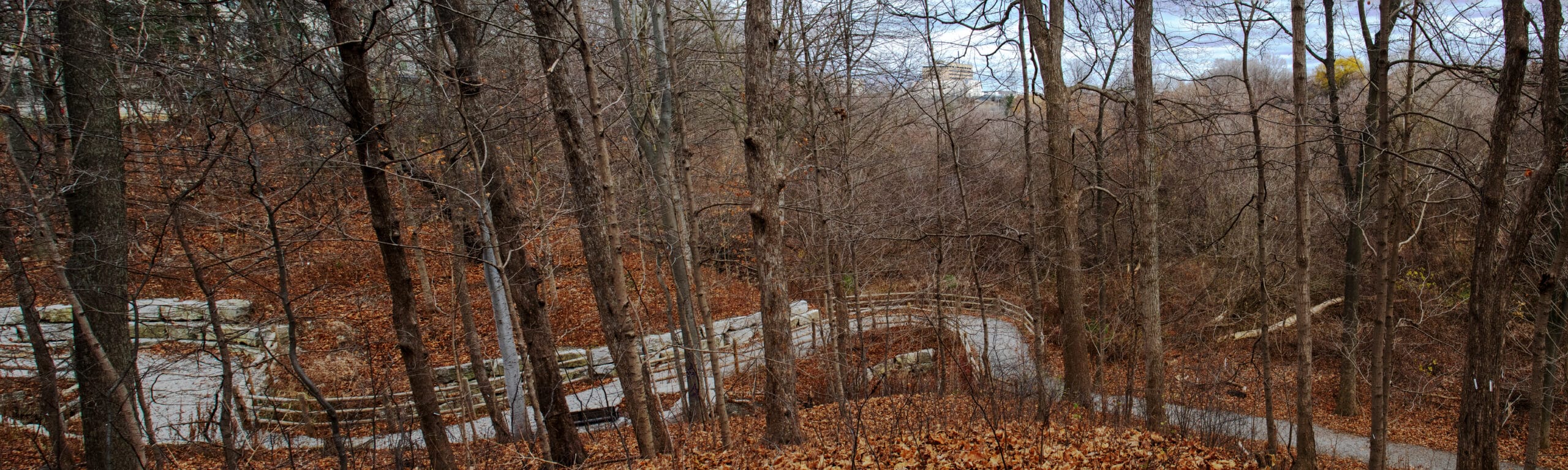
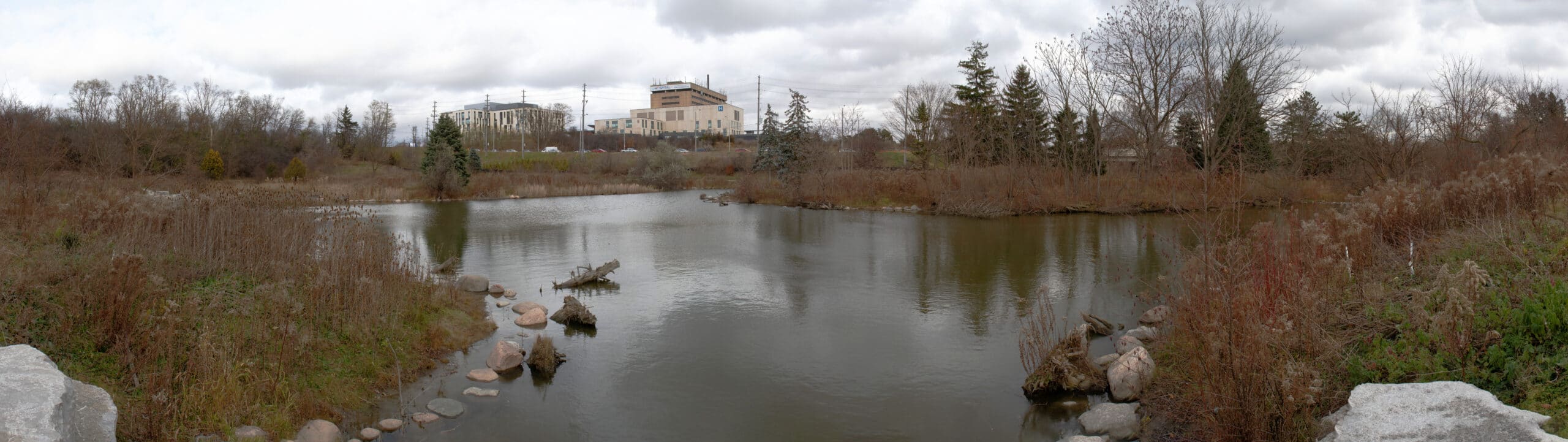
Despite the overcast skies and chilly wind on my visiting day, my impression of the sites from the ground was warmed with the abundance of natural and quiet beauty. I thought to myself just how lucky we are that we, and the TMU medical students, have these great natural spaces to help us feel better and healthier!
For more information on PaRx, and the health benefits of nature, visit www.parkprescriptions.ca