
Unearthing beautiful, messy, free and forgotten stories of gender-nonconformity
When I consider the morsels of trans masculinity we get in mainstream cinema, a few things come to mind. One, that there isn’t much to mention. Two, when we do exist on-screen, even if for an unremarkable moment, it’s painful to watch.
Think Brandon Teena’s vicious murder in Boys Don’t Cry, or The L Word’s confused, testosterone-enraged Max Sweeney. These being two of Hollywood’s first introductions to the concept of trans men, both mired in suffering and stereotypes.
And while the blockbuster machine’s now learning to embrace trans and genderqueer visibility, its personifications have improved from outrageously tragic to… tepid. Today’s brief, neutral appearances found on streamers or at your local Cineplex seem to be only the occasional Ryan Murphy side character or dialogue-minimal “moron” in a horror movie reboot. Most recently, Disney, infamous for its lukewarm yet widely-publicized blips of queer representation, just announced its big non-binary debut: a sentient blob of water wearing argyle. Named Lake.
We’re left on our own to portray ourselves the way we want to be seen. And yet, because of trans filmmakers’ limited access to Hollywood-level resources, finding this self-led cinema is always difficult.
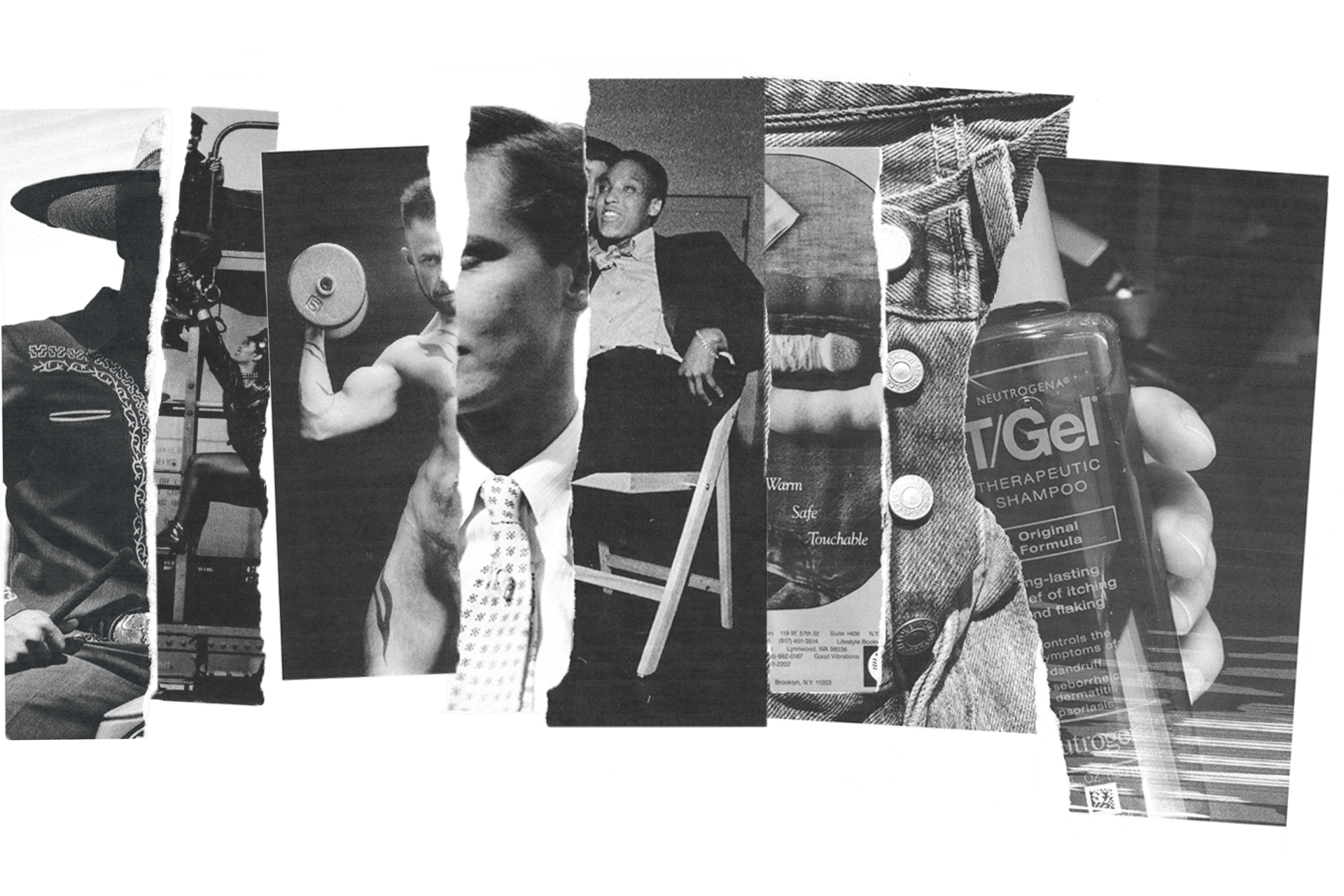
Otherness Archive is a platform formed out of the same struggle for trans-masculine visibility. Founded by London-based artist Sweatmother, the database of 100-plus trans-focused films is a result of over a year of research through the rich history of gender non-conforming filmmaking.
Taking a tour through the Archive can be awe-striking. While it includes the aforementioned mainstream cinema, the collection provides a far more nuanced representation of the transgender experience. That is, it proves that there isn’t just one sole “experience” of transmasculinity.
The narratives in this database come from not only the white, straight and passing conglomerate at the forefront of popular transmasculine cinema. Films focus on the lives and art of people of colour, global and immigrant perspectives, and love that blurs the lines between both gender and sexuality — using these unique stories to push back at transgender stereotypes that continue to limit us.
For a genderqueer person in ravenous search of media that speaks to them and them only, historians seeking a closer connection to the origins of today’s 2SLGBTQ+ resistance, or an ally who simply wants to support queer art (hint: a donation link can be found here), there’s something for everyone here.
The archive itself is a treasure trove of trans masculinity, in all its beautiful, messy, free and forgotten glory. Explore the site’s films on your own, or take some recommendations below.
Otherness Archive’s collection resists Hollywood’s cisnormative standards by delighting in its own deviance. Many of the Archive’s films, from the ‘80s to the post-quarantine era offer these visions of trans-masculine living through humour.
Butch Patrol, a super-short short film from 1989, accomplishes all this without words. The two-minute premise is simple: a gang of menacing masculine lesbians patrol a city’s streets, hunting down innocent women to cut their hair off and transform them into the same butch archetype. Its Psycho-esque vignettes accompany its violent subjects, poking fun at still-relevant gay and trans stereotypes by exaggerating the evils of the so-called ‘lavender’ and ‘transsexual menaces.’
Another 1996 short, Adam, is a more wholesome representation of lesbian and trans humour. Its delightfully kitsch clay animation overlays a queer person’s monologue about their first kiss with another girl — and pretending to be a boy in the process — leaving in the narrator’s giggles as they reminisce on the short, but sweet, childhood memory.
Decades later, 2022’s Bros Before takes on the same comedic rhythm to relish in the messiness of queer identity. This highlighted film on the Archive’s page is a short, but intense, love triangle shaking up the lives of two trans guys “who just happen to enjoy jerking off together.” While the baseline story feels like a Seth Rogen best-friendship breakup tale, Bros takes the time to deal with uniquely trans experiences. Main character Elijah, a fully transitioned man, finds himself suddenly forced to contend with his homosexuality. Billy, on the other hand, starts dating a lesbian woman who talks down to him like a good-for-nothing himbo. It’s a level of relatability that can hurt, but won’t take away from its laughs.
Otherness Archive pays mind to the importance of eroticism to trans expression, too, something most of its films — including the aforementioned — have in common. Some are candid expressions of real-life butch and transmasculine sex lives, as depicted through honest interviews in DES!RE and Enough Man. Others are more surreal, like the more recent Bodies of Desire, which attempts to outline the abstract beauty of genderless eroticism through overlapping scenes of intimacy between four couples.
The site’s dedication to sexuality is as strong as its other narratives, picking apart the sexually-confused archetypes of trans men we’re tired of seeing, and honouring the well-documented, but little-appreciated, history of trans masculinity as part of the gay rights movement’s fight for sexual liberation — from salacious drag kings of long-time lesbian clubs underground to radical organizers taking action on city streets. Otherness Archives’ documentaries, on the other hand, which largely snapshot trans culture and issues of the late-20th to early-21st century, are historical documents of communities like these that one can only marvel at.
Venus Boyz and Strap ‘Em Down! The World of Drag Kings offer a peek into the little-known world of drag king art, showcasing gender-bending scenes that were legendary in the 2000s yet are still dismissed here on the surface. Conversations with performers reveal a masculine edge to the flamboyance of the ball scene we know from Paris is Burning, as well as highlight artists’ personal revelations about what their gender expression means to them. Plus, it’s fun to watch butches do schlocky stand-up and sing Backstreet Boys hits in painted beards.
The intersectionality of the trans community is made clear in these films about queer people’s art, but are also the highlight of documentaries on trans masculine life itself.
Passing follows the lives of three Black trans men, detailing the dimensions of racism and sexism they face in their communities. A rollercoaster of emotions are described by the subjects themselves, from the struggles of adapting to the toxic male culture of their cis colleagues, to touching tales of finally feeling “seen” by other trans people of colour.
It’s one film that gestures towards the state of trans media visibility itself, as some interviewees describe their experiences with feeling invisible to the world at large. In an early interview about the mens’ gender discoveries, Sasha Alexander tells the camera he never felt comfortable with himself until he met another Black trans man in real life. “I actually completely saw myself in him. And it was the first time that I was like, ‘Oh my God.’ I didn’t realize that was possible.” Lifelong scars like these are unraveled through painful, though casually retold, anecdotes that linger with the viewer, long after Passing’s brief runtime.
A snapshot of earlier trans history is found in Camp Trans, an archival documentary centred around Leslie Feinberg’s resistance against the transphobia that lurked in feminist communities of the ‘90s. In 1991, Feinberg and a group of pro-trans activists banded together in a series of protests against the Michigan Womyn’s Music Festival, an event advertised for radical feminists but barred trans women and men from attendance with a strict “Womyn Born Womyn” policy. This 2016 film (part of a wonderful trans history web series) pieces together archival footage with homemade zine-style visuals, along with an impassioned narrative of the events that went down that fateful summer.
Camp Trans is a quick but exhilarating historical document that doubles as a sobering reminder of our present. MichFest, in all its rampant hatred of trans lesbians could have simply been part of a distant, hateful past — but instead its painful legacy lives on. Trans-exclusive groups in Canada have gained more traction in the wake of a mass media push against trans rights; some have even gone so far as to ally with conservative pundits who rail against the LGBTQ+ community altogether.
The varying perspectives of Otherness Archives’ films are a reminder of why our activism is still necessary. The lives of trans people are still under threat by cruel social standards and deadly legislation, fueled by a media machine that has once again begun to call for our eradication. And things are moving fast, all according to the plans of nationwide networks dedicated to this very cause.
On the heels of this year’s pride month, surrounded by hate and shrunk down by conservatives’ push for our destruction, I’m reminding myself why me and so many other trans folks are dedicated to our art. No matter how we’re depicted by our cisgender counterparts, we can stand strong in knowing who we are and be proud enough to shout it out to the world. As a community that revels in our creation and celebrates self-expression, I’m proud of every single authentic, surreal, diverse and radical part of us.
Instead of focusing on the oft-hollow concept of 2SLGBTQ+ ‘representation,’ Otherness Archive lives in opposition to cisnormative standards. Its films both relish in and fight back at the shame trans people face in our regular lives, embracing the ostracizing role of the ‘other’ as a source of power.
Because really, we don’t need to be ‘represented.’ We deserve to be seen.
Author: