

Comicon as an institution certainly has a unique history—what started out as a modest gathering of roughly 300 comic book, science fiction, and fantasy enthusiasts in the basement of the U.S Grant Hotel in 1970s San Diego has since become a staple in celebrating popular culture, with the convention expanding to a number of cities across North America and drawing tens of thousands of attendees every year. So how did this change come about?
With changing tastes as well as the popularization of specific fandoms and storytelling mediums, Comicon has had to adapt in order to stay relevant, even if that means straying a bit from its humble roots and catering to the interests of a much broader audience. And most people would argue that this gradual expansion has been a good thing on balance, as it promises more inclusivity and representation, allowing people with different interests to find a sense of community within the convention space, which after all is what Comicon is all about.
But has this shift come at a cost? What once functioned as a community space for individuals whose interests were considered “weird”, “childish” or simply looked down on because they were not culturally mainstream, has arguably become a noisy, crowded, oftentimes overwhelming event that more so promotes mass consumption and commercialism—many would even say that there is a much more prevalent corporate element to the Comicons of today.
So with all the change that the event has seen over the decades, how much of Comicon’s roots have been preserved?
Check out my coverage of the 2026 Toronto Comicon below to hear what attendees had to say on the subject.
Some photos I took while at Comicon
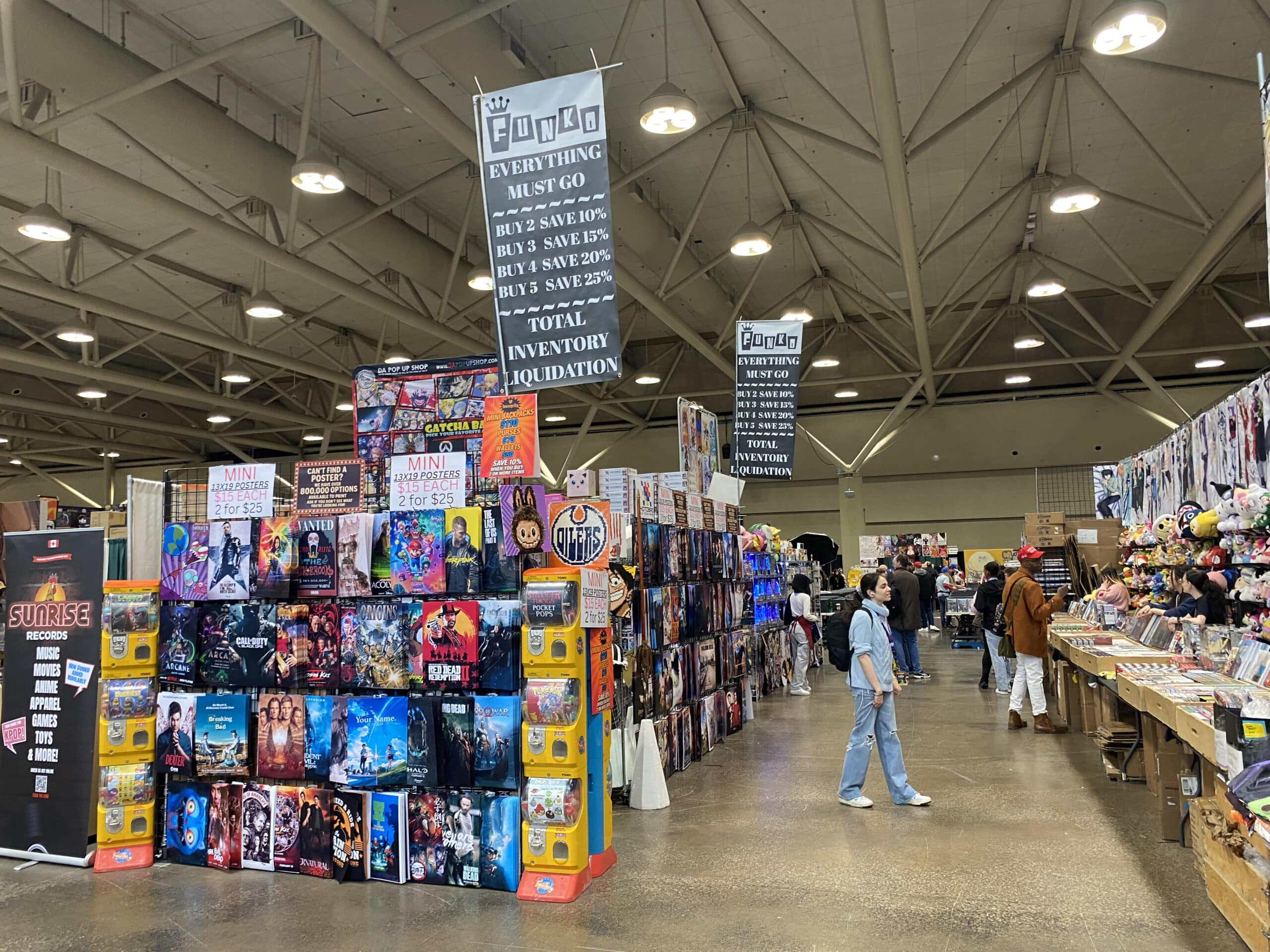
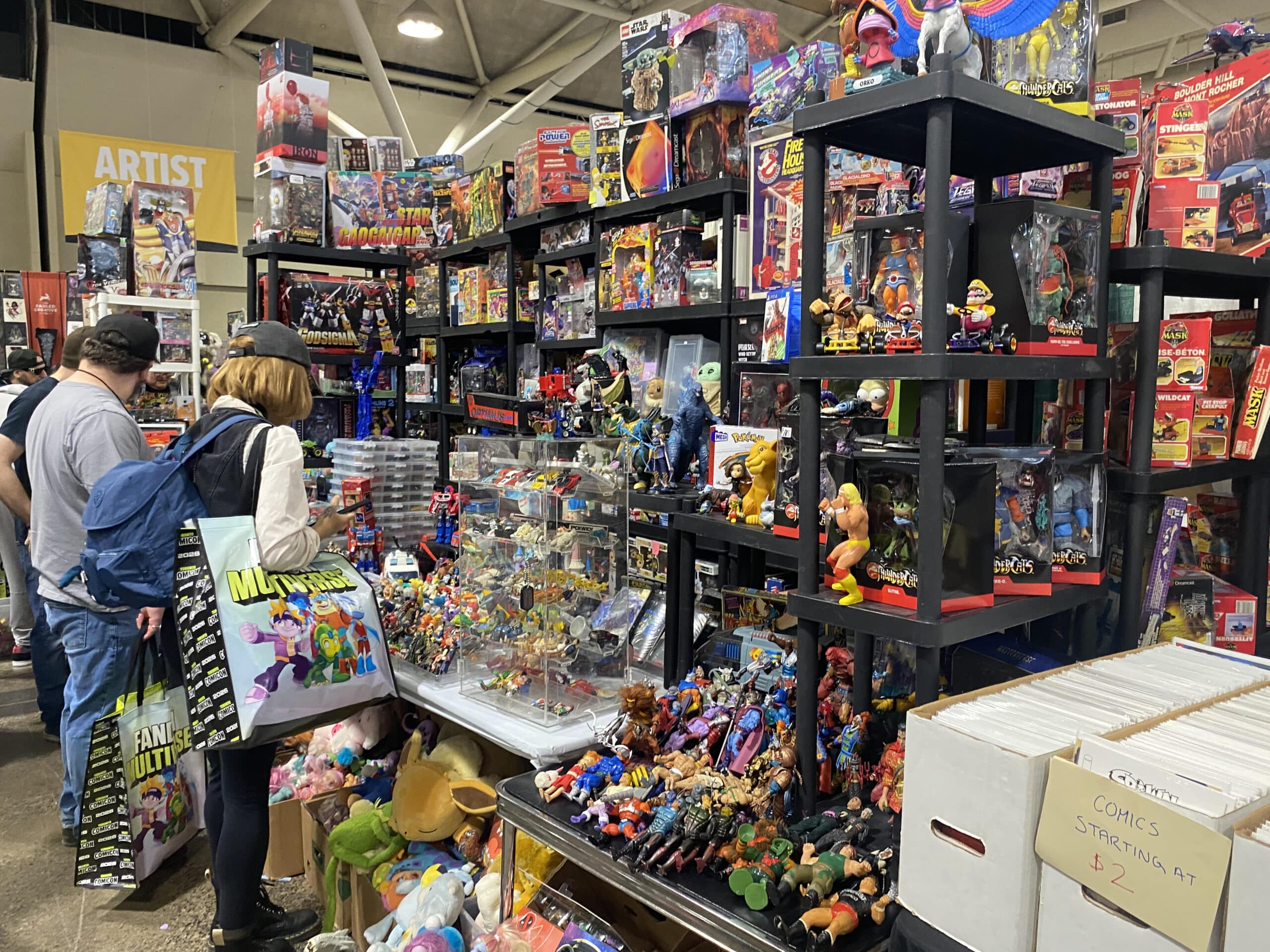
An overview of the event space and what the exhibitors had going on at their stalls
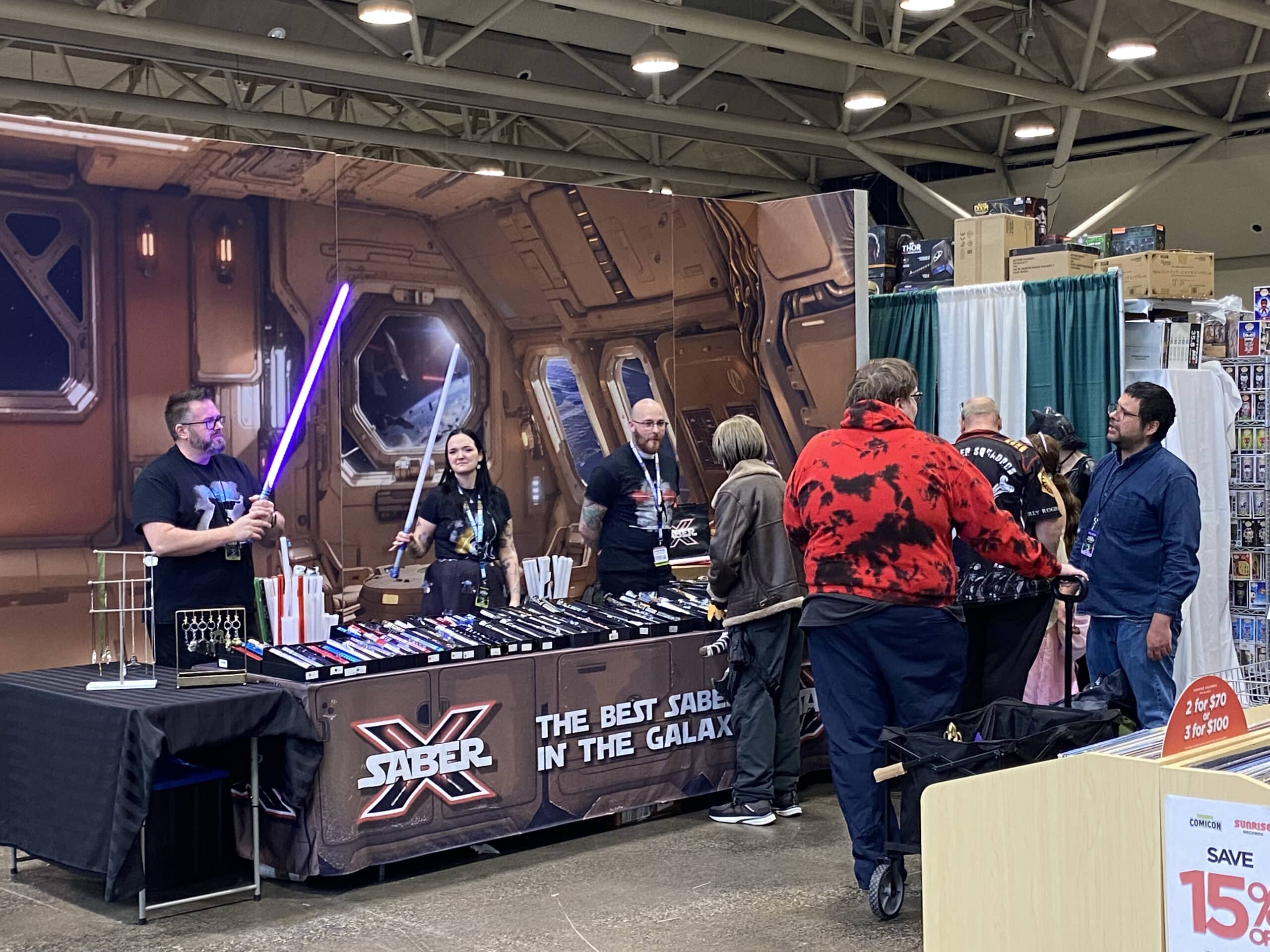
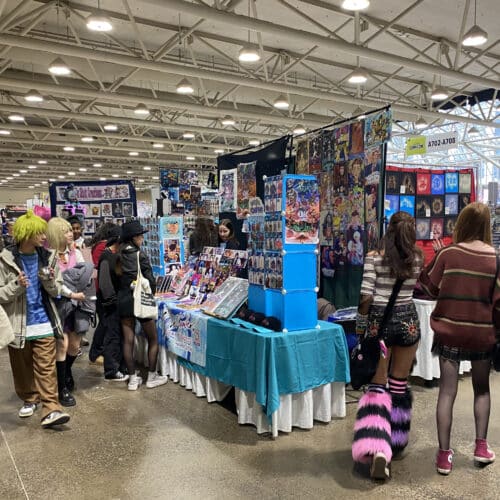
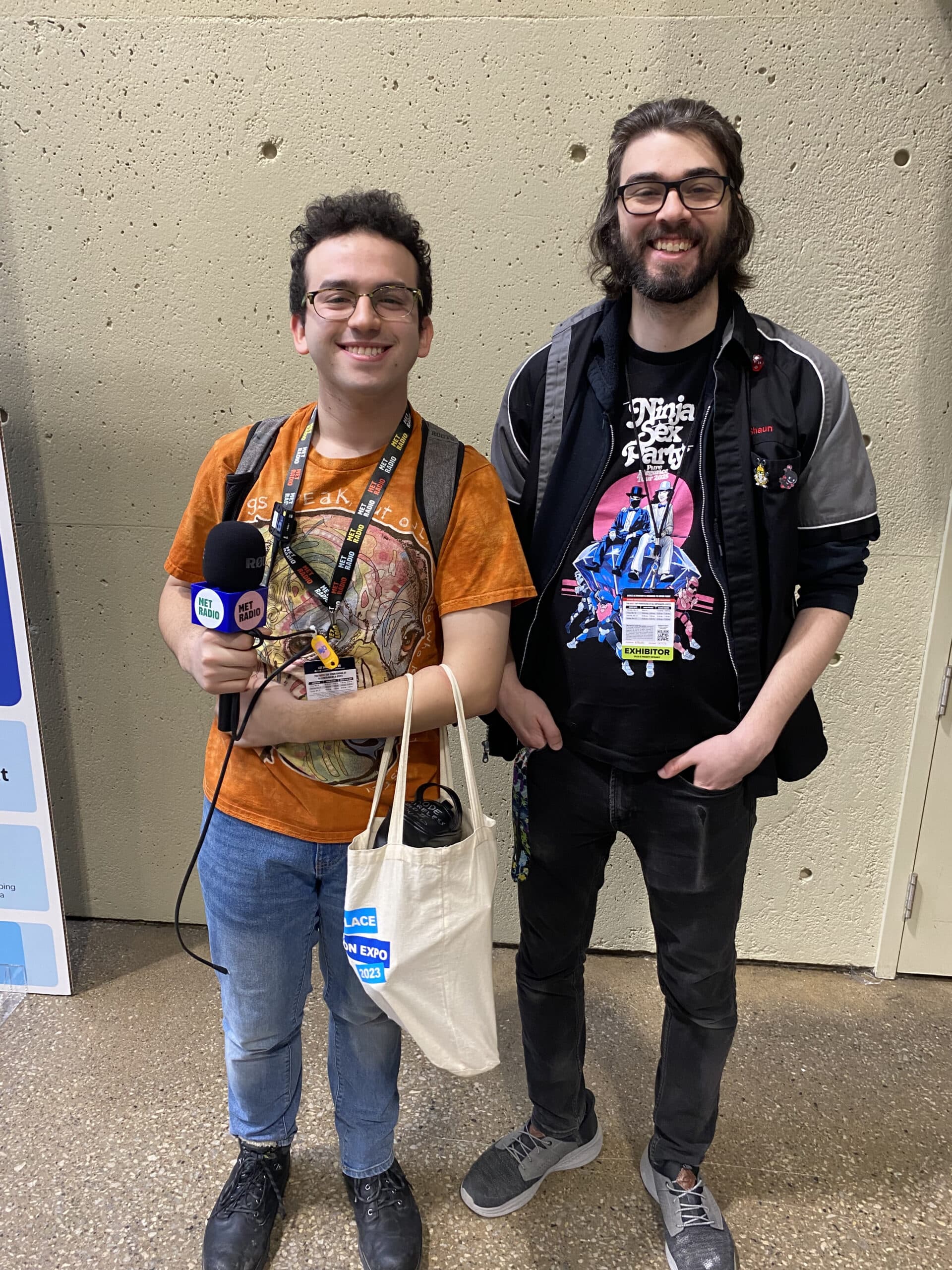
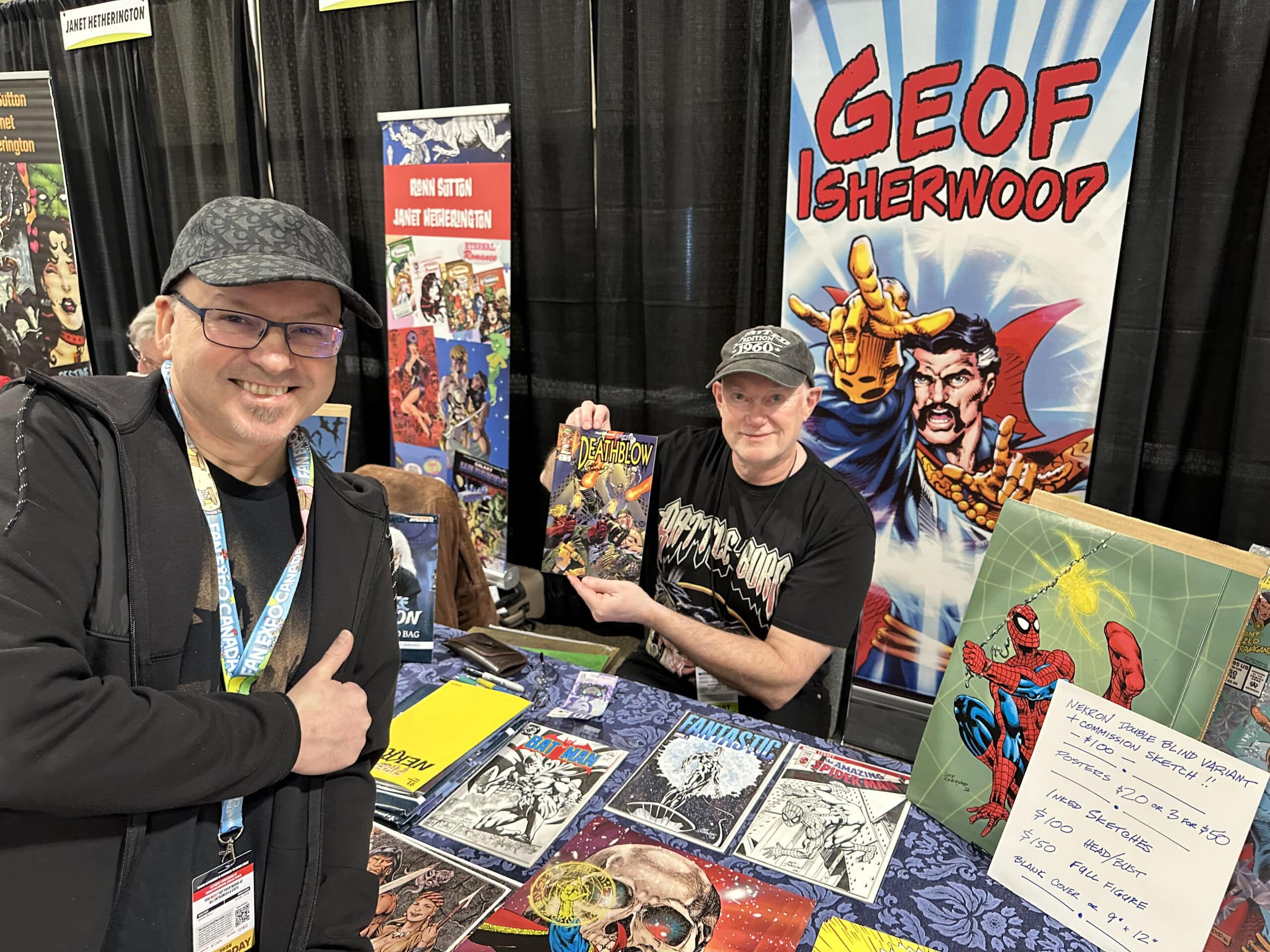
Some of the lovely attendees/exhibitors I got to speak to (bonus: a wholesome fan moment of my dad getting to meet one of his favourite comic book artists)!
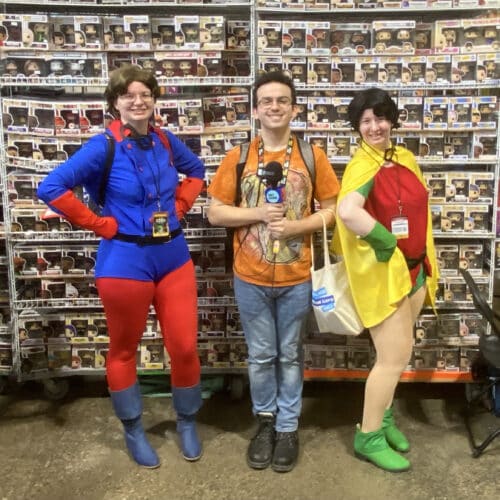
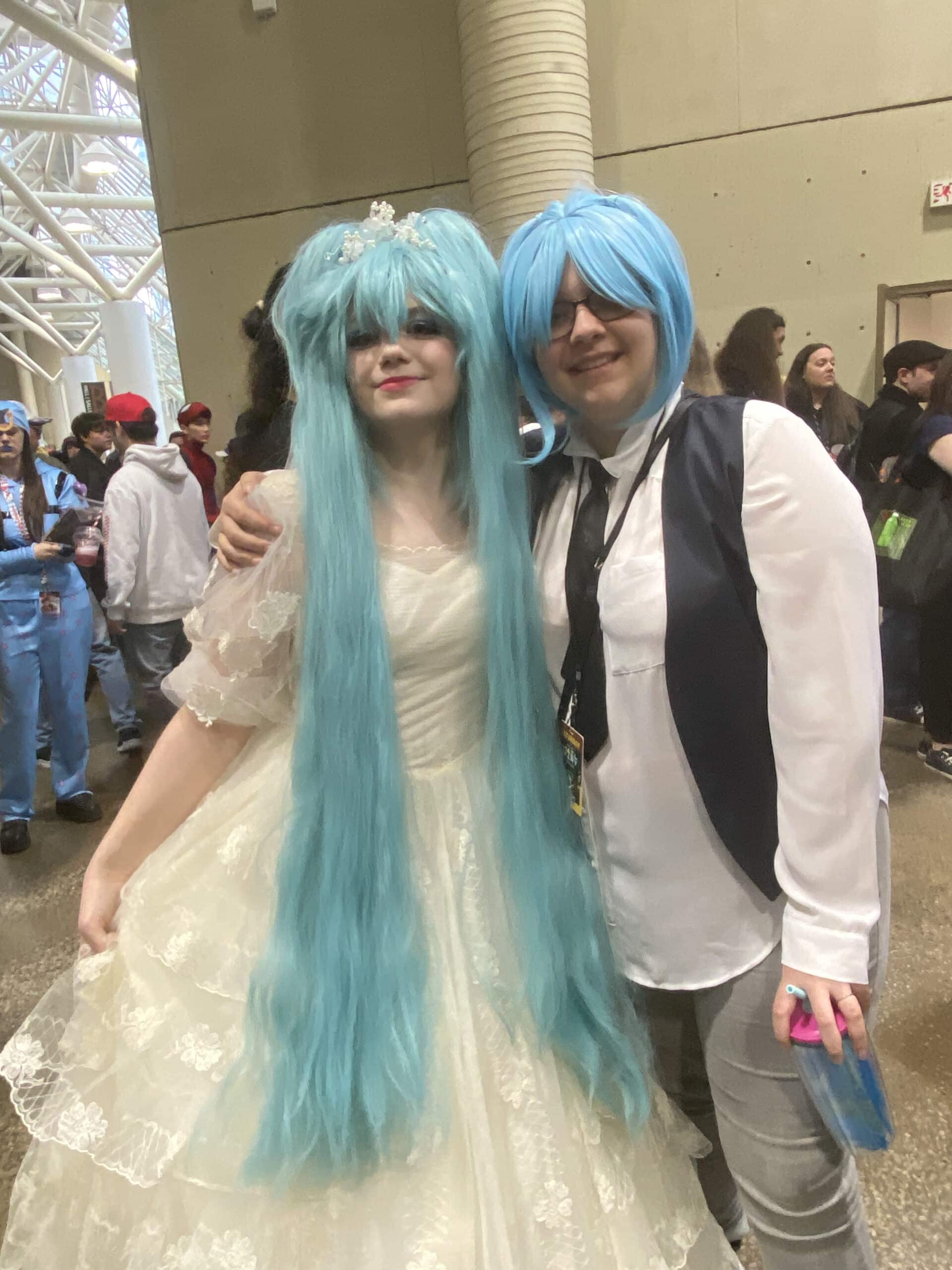
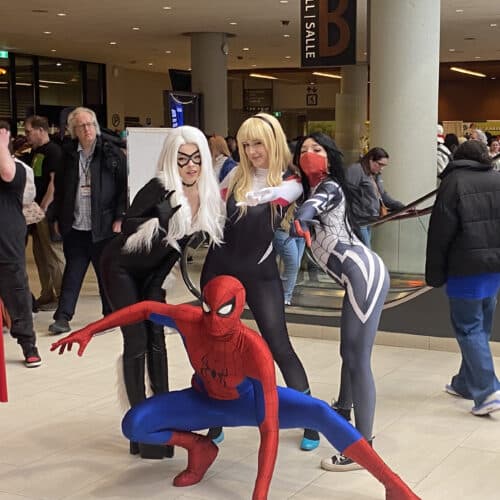
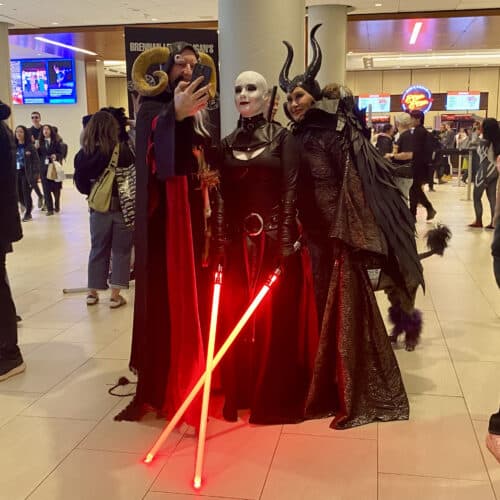
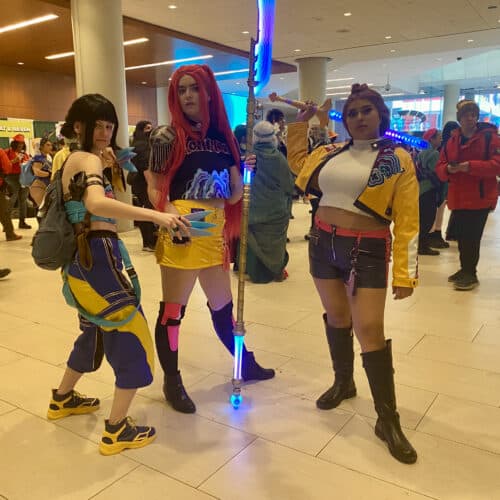
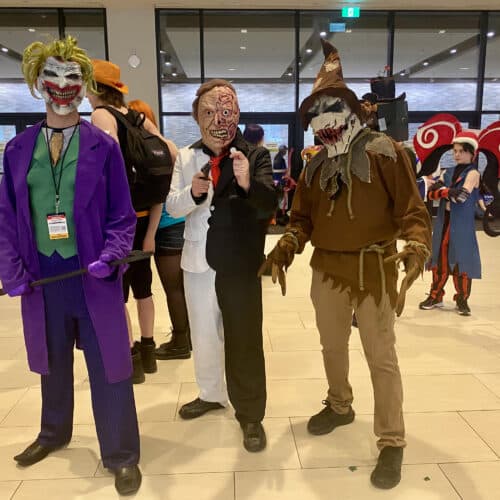
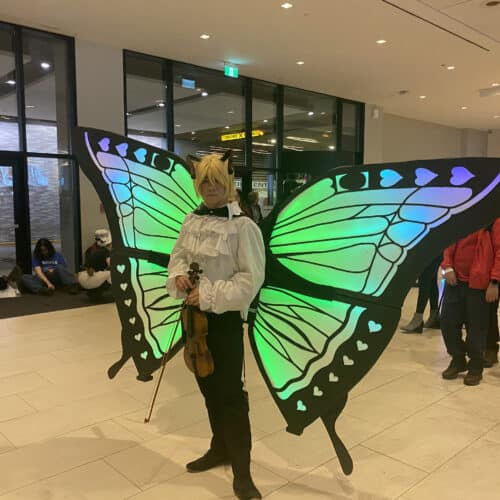
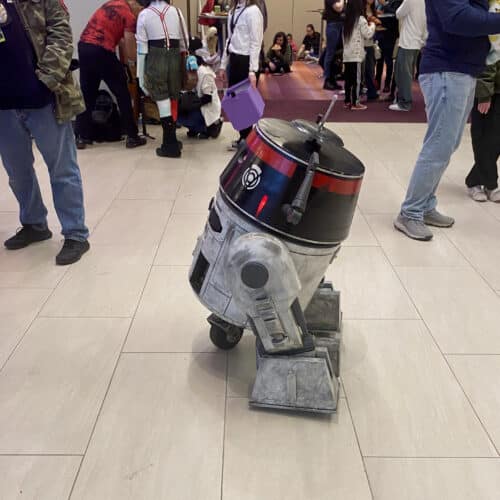
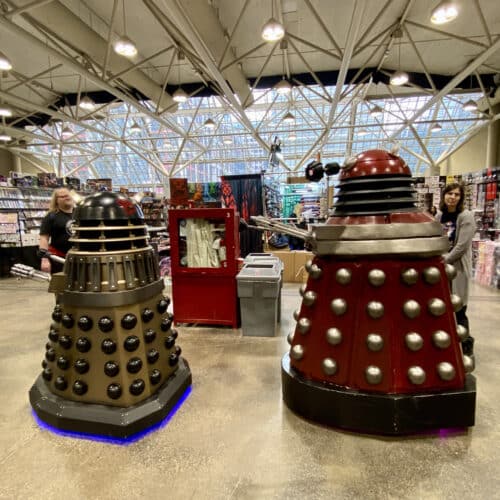
Some cosplayers whose costumes were just so amazing, I simply couldn’t walk by without grabbing a photo (bonus: some iconic droids/cyborgs you may recognize)!
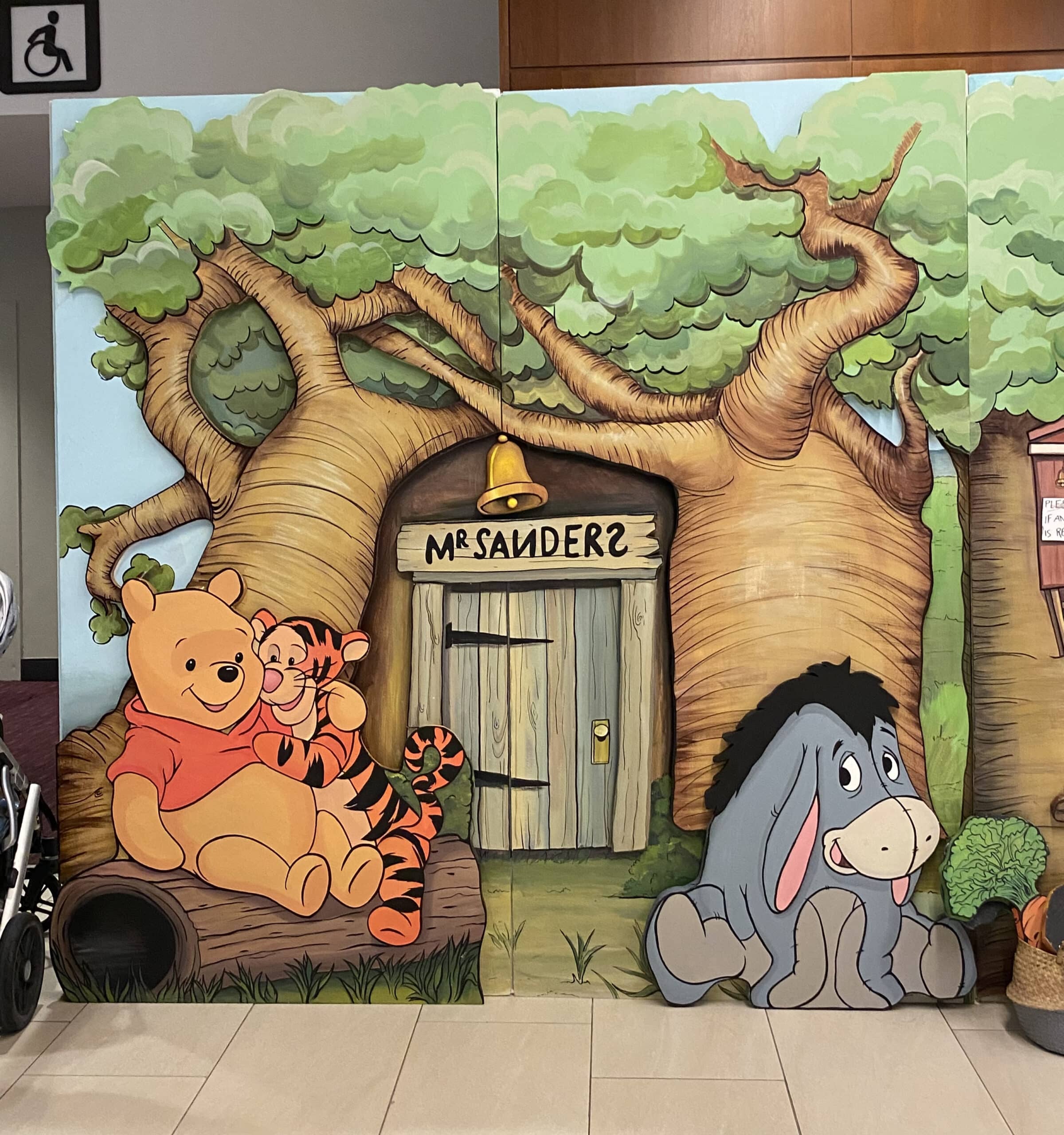
A look at some activities and photo ops for parents with younger kids—proof of Comicon’s commitment to inclusivity and accessibility.
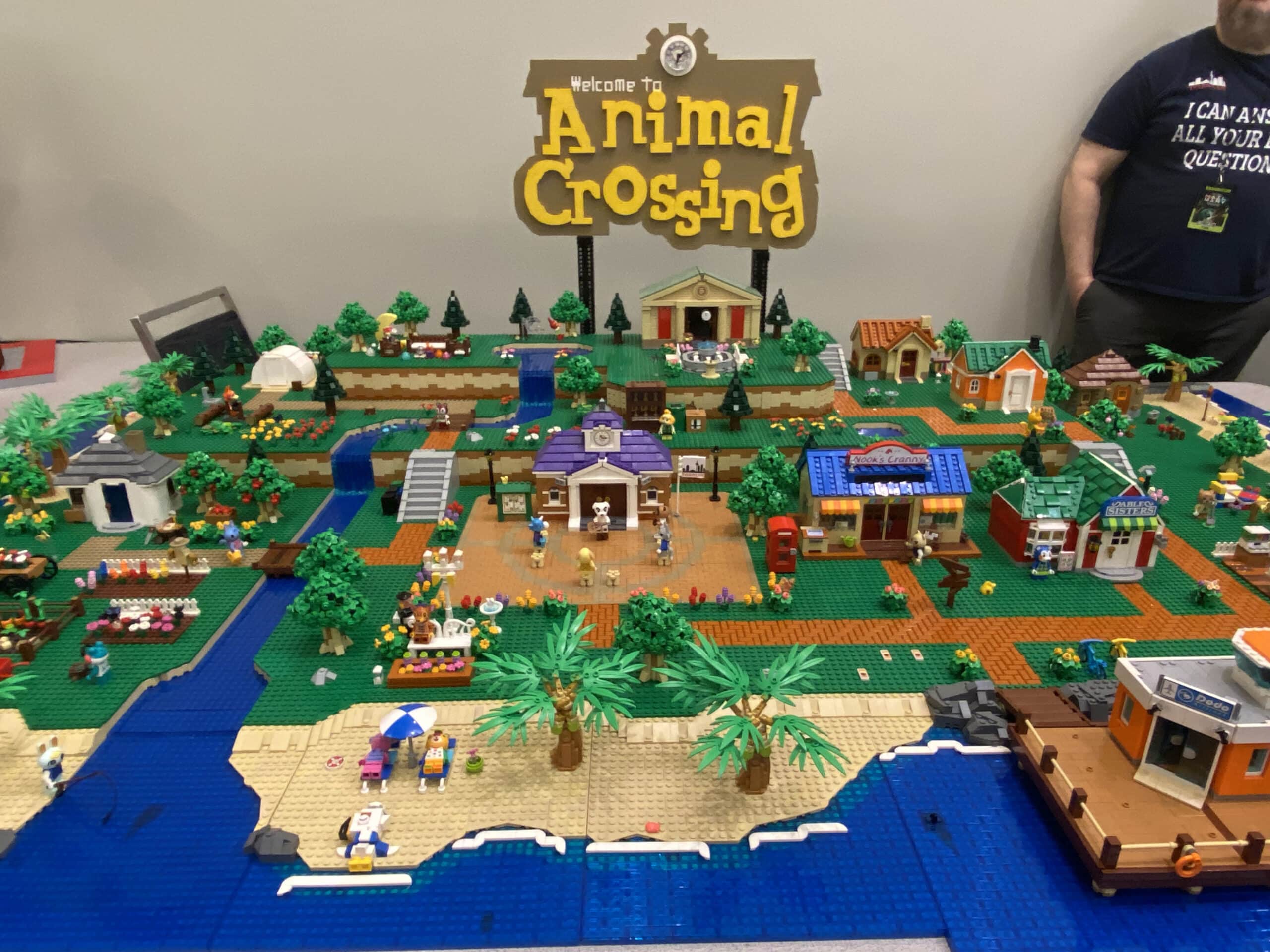
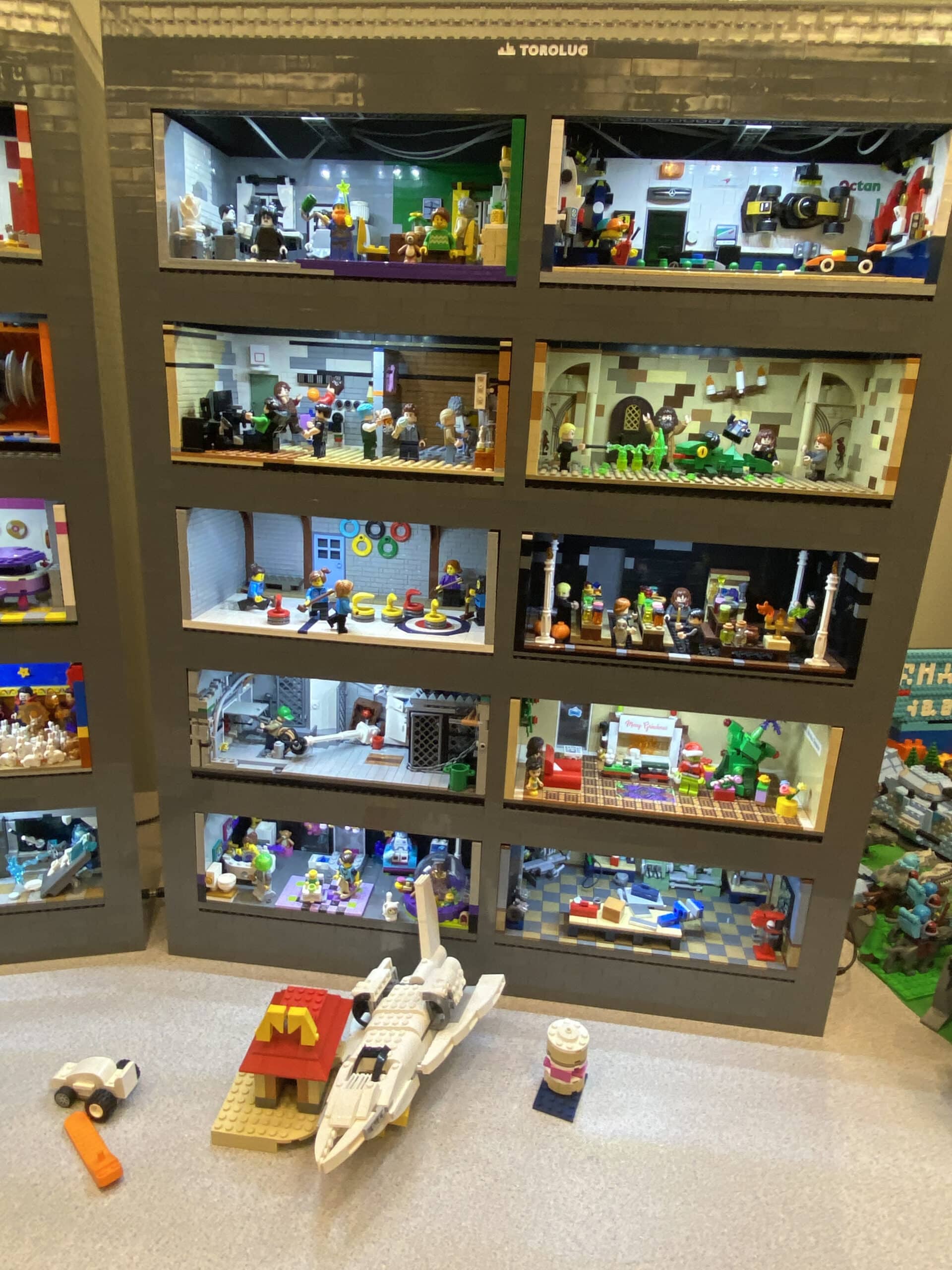
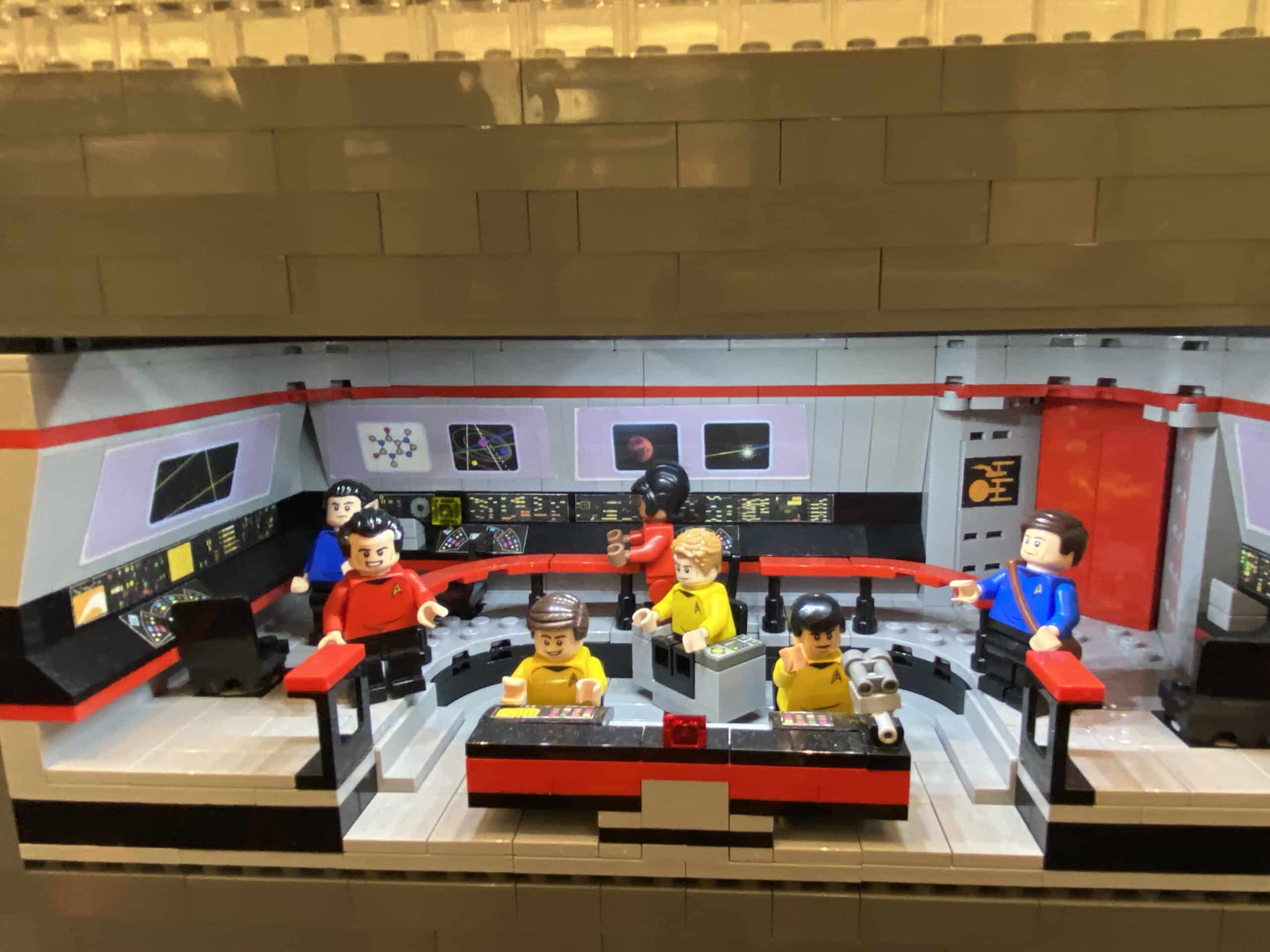
After getting to speak to all these amazing people, whether they were cosplayers, gamers, comic book enthusiasts, art lovers, exhibitors, and even parents who were at Comicon for their kids as well as themselves, I came to the opinion that this shift in the convention’s focus has not necessarily hurt the authenticity of Comicon as a whole—quite the opposite actually.
Even when I spoke to OG comic book fans and exhibitors, the consensus seemed to be that, had this shift not occurred, perhaps comic books as an art form and storytelling medium might not have survived as long as it has.
After all, as someone pointed out to me, a lot of the newer Con-goers actually get their introduction to comic books through an event like Comicon, either by happening upon the booths of established comic book creators and striking up conversations with them or by checking out the wide selection of comic books that line the many tables in the exhibit hall.
So, despite not having as large a presence as before, the old guard are evidently still a key part of the experience—sometimes, you just have to know where to look.